

Small screened-in porch projects are rising in popularity as homeowners seek budget-friendly, low-maintenance ways to create livable outdoor spaces—even on the tightest urban or suburban lots. But getting a “small” porch right is tougher than it looks, with surprising layout, code, and durability traps that can result in regrets.
Key Takeaways
- Budgeting, code compliance, and furniture clearances are critical for small screened-in porch success.
- Most small screened-in porch projects fall in the 100–144 sq ft size range, often using compact layouts to maximize comfort and function.
- Choosing durable materials and planning electrical, lighting, and access carefully from day one prevents common headaches and regrets.
- The Core Concept: What to Know Before You Start
- Step-by-Step Guide: Building a Small Screened-In Porch
- Advanced Analysis & Common Pitfalls
- Conclusion
- FAQ
The Core Concept: What to Know Before You Start
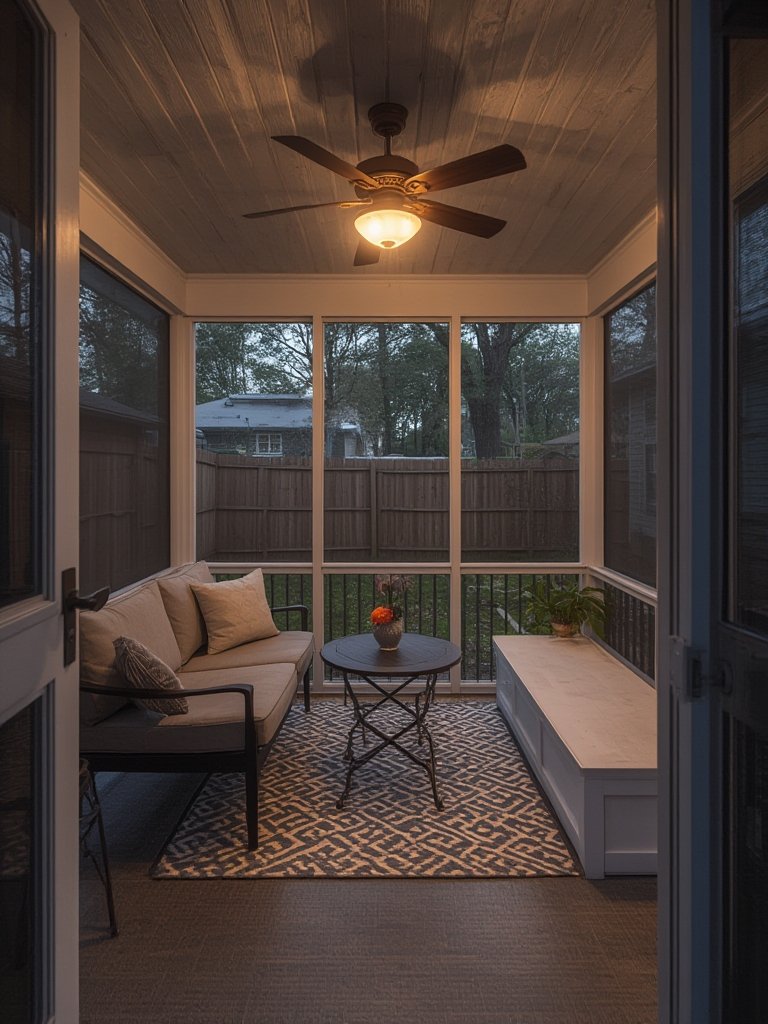
A small screened-in porch—typically under 150 square feet—is more than just an add-on. In today’s real estate market, this feature boosts property appeal, increases functional living space, and supports indoor-outdoor living. The most common “small” footprints are 10×10, 12×12, or elongated rectangles to match narrow urban lots. These porches often focus on a single use: a cozy lounge for two to four, or a café-style dining nook. Features like ceiling fans, integrated LED lighting, and a single glass door transition are now standard—even for budgets under $10,000.
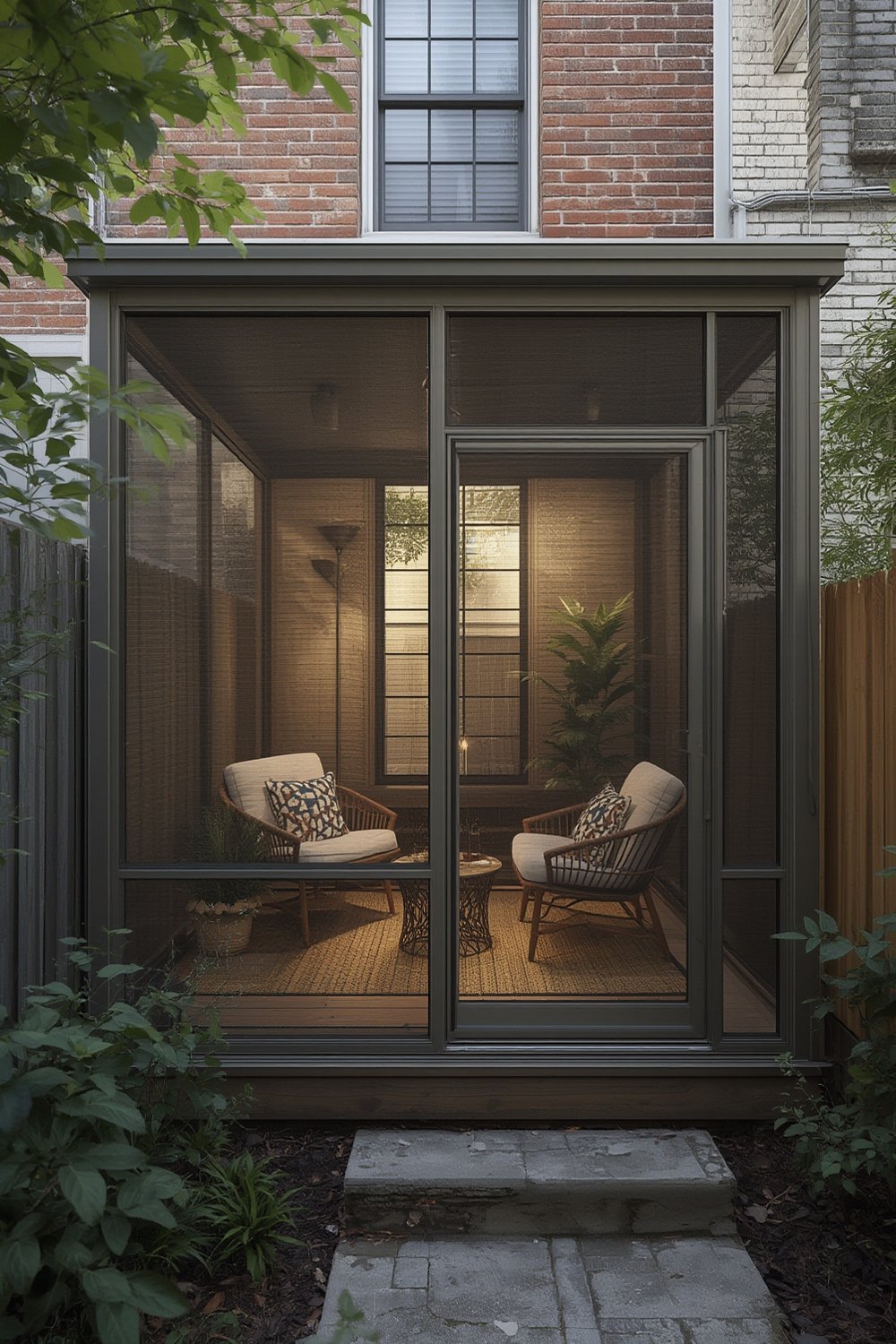
Research shows porch buyers frequently underestimate clearances, resulting in cramped, difficult-to-furnish spaces. Permitting and zoning issues in urban areas add more complexity. Most guides caution that smart material choices, utility rough-ins, and code review before building are key to a small porch that works and lasts.
Step-by-Step Guide: Building a Small Screened-In Porch
-
Define goals and measure your space.
- Is it mainly for dining, lounging, or flexible use?
- Measure the available footprint. Leave enough exterior yard—6–8 foot depths feel cramped, 10–12 foot depths allow more furniture flexibility.
-
Check local codes, HOAs, and permit needs.
- Confirm setbacks, attachment rules, max allowable porch size, and screening material restrictions before you draw plans.
- Expect permit costs of $100–$500+ and possible design or HOA review. More info: size and code sources.
-
Plan foundations and structure.
- Ground level: slab (cheapest), pressure-treated deck framing, or retrofit on an existing patio.
- Raised: deeper footers/guardrails, especially in snow or coastal zones.
-
Select durable, budget-friendly materials.
- Use pressure-treated framing for affordability; upgrade to composite decking for lower lifetime maintenance.
- For screen mesh, aluminum or heavy-duty polyester mesh outlast basic fiberglass—worth a small premium if pets or kids are involved.
- Traditional spline-in screen systems work well for most DIYers and small contractors (details: cost & mesh guide).
-
Layout for optimal use and comfort.
- Restrict to one main furniture zone: either café dining or a seating lounge.
- Carefully plan door swing/placement—they consume outsized space in small footprints. sliding or outswing doors often make layouts easier.
- Add integrated LED lighting for night use. Place outlets in convenient, out-of-the-way spots.
-
Consider smart small-porch design hacks.
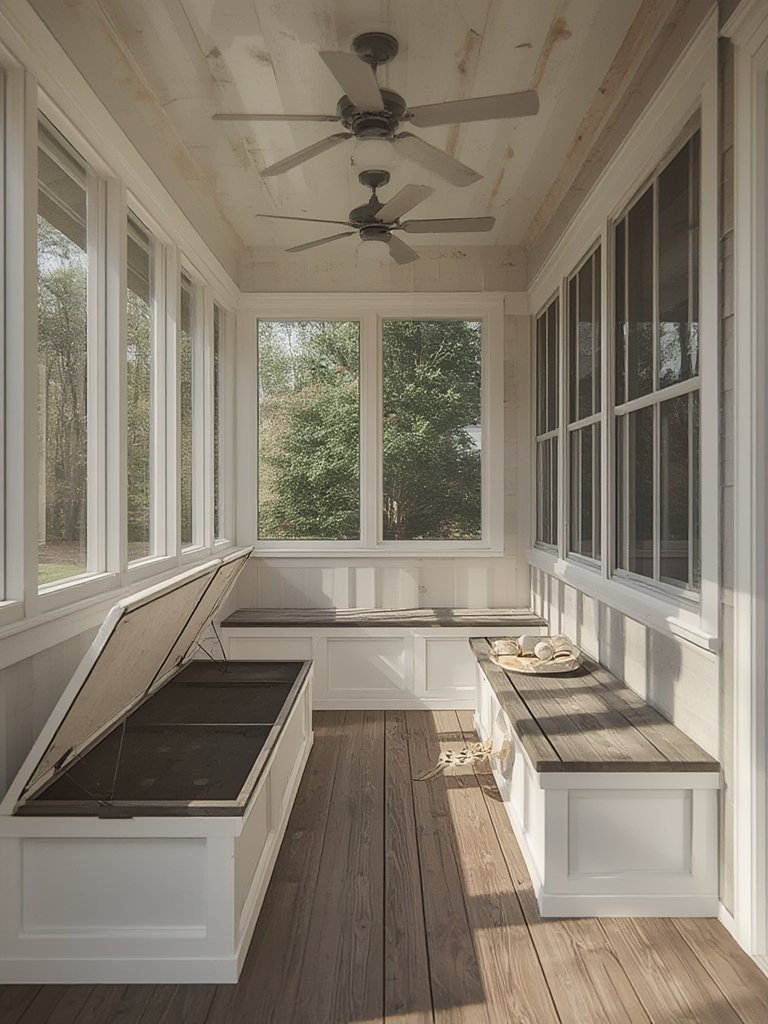
- Fold-down benches, perimeter storage/seating bands, and compression-zone door planning (see tips below) can radically improve usability.
-
Budget realistically for all costs—not just structure.
- Screening an existing structure: $10–$25/sq ft (materials + labor). Small new builds: $50–$175/sq ft. Don’t forget permits, design, and electrical add-ons.
- For detailed estimates, see the Advanced Analysis section or this cost breakdown resource.
- Schedule your project and submit required documents before ordering materials.
Want more ideas on maximizing small outdoor spaces? Check out our guide on essential camping gear for car and outdoor trips for inspiration.
You can also explore our guide to choosing outdoor gear new and used if you want durable, budget-friendly options for furniture or accessories that work in a small screened-in porch.
Advanced Analysis & Common Pitfalls
Even the simplest small screened-in porch project is fraught with pitfalls if you skip due diligence. User regrets most often boil down to three areas: poor layout, bad materials, and underestimating rules or costs. Below is a comparative summary of frequent issues and how to avoid them:
| Category | Common Mistake | Better Solution | Reference |
|---|---|---|---|
| Space/Layout | Porch feels too cramped; combines too many functions in <150 sq ft | Limit to one main use (lounge or dining); focus on wall-hung or built-in seating | True Aluminum |
| Doors | Door swing or location blocks key zones, especially with narrow porches | Use sliding or outswing doors; review position during layout step | Archadeck |
| Materials | Cheap fiberglass screen sags or tears quickly | Aluminum or heavy-duty polyester mesh for longevity | King Struction |
| Comfort | No ceiling fan; porch is stifling in summer | Always include a ceiling fan, even in small rooms | Deckscapes of VA |
| Permits / Budget | Surprised by total costs (permits, design, upgrades) | Budget 10–15% for soft costs; consult local code/HOA first | HomeLight |
| Future Upgrades | No electrical rough-in for heaters or EZE-Breeze add-ons | Pre-wire even if you don’t plan immediate upgrades | Deckscapes of VA |
Designers often overlook these advanced, but practical, strategies:
- Install a continuous bench with built-in storage along one wall to keep cushions, accessories, or gardening tools out of sight but easily accessible.
- Plan compression zones at the doorway. Even a six-inch shift in door location or swing direction can free up flow paths in a 100–150 sq ft porch.
- Choose composite or tiled flooring for easier cleaning and better durability in high-humidity zones or rainy regions.
- Confirm that your porch project aligns with local rules and HOA guidelines—it isn’t rare for plans to be altered last-minute by setback restrictions or architectural controls.
For additional tips on choosing outdoor gear that works inside and outside your small porch, see our in-depth camping tent buying guide or browse value-focused options in our Camping World guide.
Conclusion
A well-designed small screened-in porch creates a highly livable space, adds value to your home, and extends the season for outdoor enjoyment—if you avoid common regrets. Start by defining your goals, measuring carefully, and planning for comfort, code, and future use. Use the right materials, focus your layout, and build in flexibility to get the most from your small screened-in porch for years to come.
Ready to plan your own porch? Check your local code, set a true all-in budget (above and below the floor), and explore the rest of our site for outdoor design inspiration and proven product picks.
FAQ
What is the ideal size for a small screened-in porch?
The most common small screened-in porch sizes are 10×10 or 12×12 feet (100–144 square feet). This footprint typically offers enough space for a small seating group or a café table for four without making the porch feel cramped. Measure your available space and consider clearances before starting.
How much does it cost to build a small screened-in porch?
Building a new small screened-in porch typically costs between $3,000 and $9,000 for a 120 sq ft structure, or $10–$25 per square foot to screen an existing porch. Actual cost depends on materials, labor, site complexity, and permit/HOA fees. For a detailed breakdown, see sources like this cost guide.
What are the best materials for screen durability?
Aluminum and heavy-duty polyester mesh screens offer much better resistance to tears and sagging than low-cost fiberglass. Composite decking is a popular upgrade for floors in small porches because it resists moisture and needs little upkeep.
Do I need a permit for a small screened-in porch?
Most municipalities require a building permit for any porch with a new roof, foundation, or when altering a structure. Check with your local building department, as some areas also enforce setbacks, maximum sizes, and material restrictions.
Can I combine lounge and dining zones in a small porch?
Combining lounge and dining in a porch under 150 sq ft is not recommended—it generally feels cramped and makes furniture placement awkward. Stick with one clear zone and use built-in or foldable furniture for flexibility.