

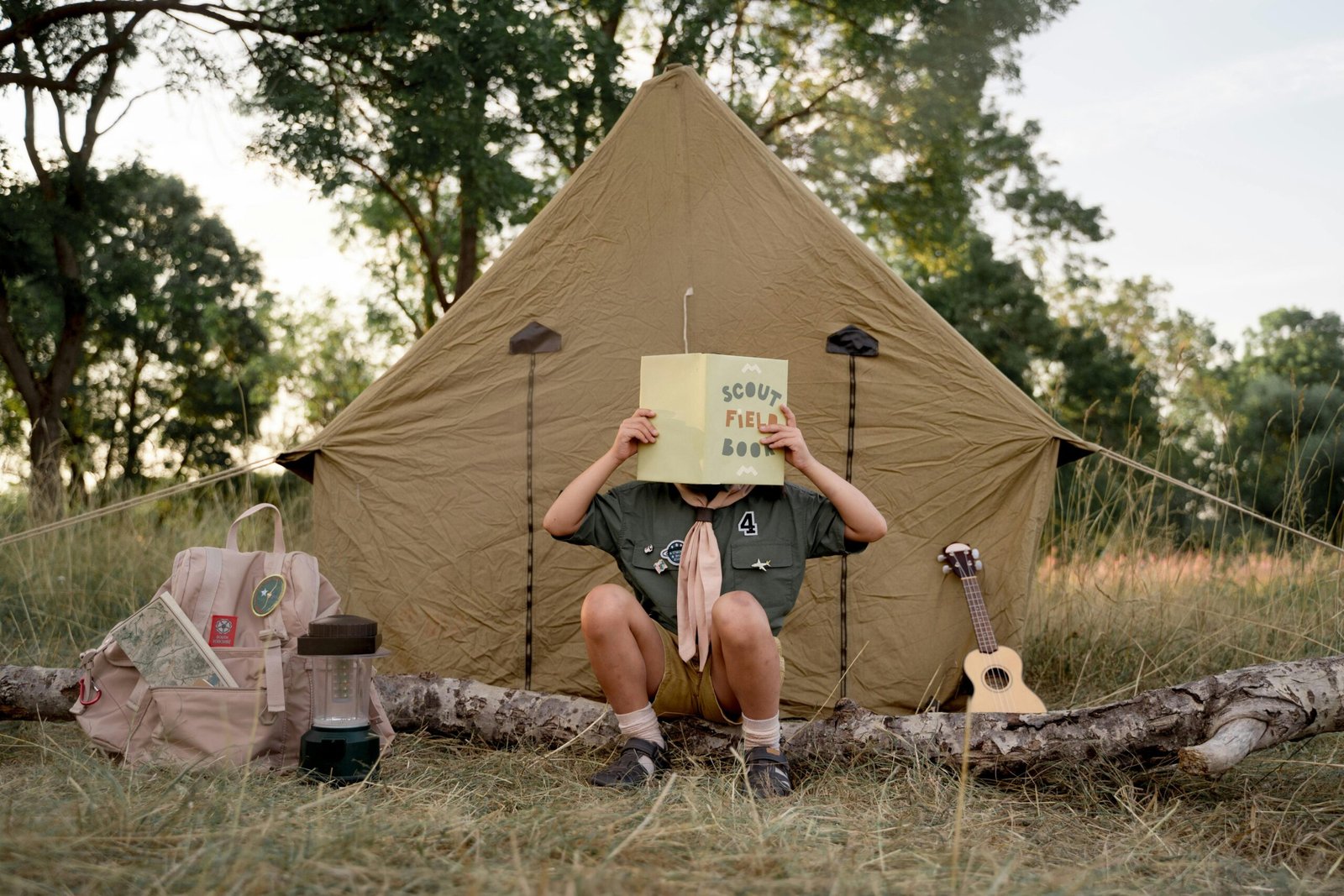
This guide helps campers identify the best camping gear, choose the right tent, and navigate camping gear stores with confidence. It covers tent types, weather and capacity ratings, essential accessories, shopping strategies and care techniques. Whether you favor car camping or lightweight backpacking, you will learn practical, evidence-based criteria to compare options and make smart buying decisions.
Planning Your Trip and Defining Gear Needs
Planning drives all smart gear choices. A thoughtful approach to your camping trip ensures your investments match your real needs—not just advertising promises or trends. Before you start shopping, nailing down the specifics of your journey will help determine which tent, sleeping system, kitchen gear, and apparel are truly necessary. The goal is to avoid costly “regrets” and wasted space in your pack or car.
-
Trip profile considerations
The details of your trip shape every gear decision. For instance, a week-long mountain trek in unpredictable weather with a hiking partner is drastically different than a two-night car camp with family. Consider:- Trip length: Overnight, weekend, or multi-week?
- Location and terrain: Forested state park, desert, alpine ridge, beach?
- Season and weather forecast: Spring/fall chill, summer heat, or winter snow?
- Expected precipitation, winds, and temperature swings.
- Group size: Solo, pair, family (age of participants affects needs).
- Mobility: Are you backpacking, bikepacking, paddling, or driving to the site?
-
Performance vs weight vs comfort tradeoffs
Gear balances often require compromise. Consider:- Prioritize low weight for multi-day backpacking (e.g., ultralight tents, compact stoves).
- Accept more comfort features—larger tents, camp chairs—when car camping or basecamping.
- Durability may win out on rugged, long trips where repair in the field is unlikely.
-
Budget and lifecycle cost thinking
The sticker price doesn’t tell the whole story. Consider:- Longer-lasting gear with good warranties can cost less per season.
- Repairability (e.g., replaceable tent poles, fabric patches) saves money.
- Cost comparison checklist:
- Initial price vs. competitor models
- Years/number of trips expected
- Availability of repair kits and support
- Warranty details (length and coverage)
-
Essential safety and legal considerations
Every camping destination brings unique requirements. Investigate:- Required permits for entry and camping
- Fire bans, campfire regulations, cookstove rules
- Bear canister or food bag mandates in wildlife areas
- Weather alerts and flood/fire risk forecasts
- Pre-shopping decision checklist:
- Trip type, duration, and likely conditions defined?
- Known group size and comfort preferences?
- Budget, expected gear lifespan, and repair options compared?
- All safety, wildlife, and permit requirements understood?
- Ready to match gear specs to trip needs (ultralight, robust, comfort)?
Choosing the Right Tent for Your Trip
With your camping priorities and trip profile defined, choosing the right tent becomes a targeted process based on your expected conditions, group size, and activity style. Technical features and precise tradeoffs separate a tent that just works from one that keeps you comfortable and safe.
Tent types and ideal use cases
- Dome tents: Self-supporting and reliable for 1-6 people, domes are versatile for most three-season camping, handling moderate wind and rain. Good for car/base or frontcountry trips.
- Tunnel tents: Offer an excellent space-to-weight ratio; best for groups or family camping when you prioritize internal room and storage. Require staking and do not stand upright without tension—suited to soft ground, not rocky sites.
- Geodesic tents: Heavy-duty, criss-crossing poles give superb wind and snow shedding; vital for alpine, winter, and exposed sites but heavier than domes or tunnels.
- Backpacking single-wall tents: Minimal and lightweight; designed for fast-and-light solo or duo backpackers. They save weight via reduced layers but can trap condensation in humid, cold, or still conditions.
- Freestanding vs non-freestanding: Freestanding tents pitch anywhere, ideal for rocky, sand, or snow conditions. Non-freestanding (including many tunnels) must be staked out—lighter, but less flexible in variable terrain.
- Rooftop tents: Attach to vehicle roof racks; rapid setup for overlanding and road trips. High comfort, but require a car and affect gas mileage.
Season rating and weather performance
- 3-season tents: Engineered for spring to fall—ventilated, lighter, and designed to handle moderate rain and wind. Not suitable for heavy snowfall or high-alpine conditions.
- 4-season tents: Reinforced for snow loads and fierce winds; less mesh, more fabric, robust poles. Essential for winter camping or severe weather but can be hot and heavier when temps rise.
- Convertible tents: Hybrid designs allowing panels and poles to adapt the tent between 3 and 4-season use—excellent for shoulder-seasons or varied climate ranges.
- Ventilation: Look for vestibule vents, mesh panels, and double-wall designs to reduce condensation and keep air flowing in humid or rainy climates.
Key specifications to read and compare
- Capacity: Always subtract one from the marketing (a “2-person” tent is usually snug for two). Assess floor area (in square feet/meters), peak height (sit up vs stand), and vestibule size for gear.
- Weight: Note trail weight (tent, fly, poles, minimum) vs packed weight (with everything); balance comfort and lightness to your trip profile.
- Pole material: DAC and high-quality aluminum are strong and light; fiberglass is cheaper but much weaker.
- Fabric denier & coatings: Higher denier resists abrasion. Polyurethane or silicone coatings indicate water resistance; hydrostatic head (in mm) of at least 1500 for rain (2000+ for floors and stormy use).
- Seam construction: Double-stitched, factory-taped seams prevent leaks. Examine zipper robustness—key failure point in real use.
Features that matter
- Vestibules for gear/cooking, and the number of doors are vital for ease of entry and gear management.
- Bathtub floors and integrated footprints guard against groundwater and abrasion.
- Interior storage pockets and hang points for headlamps boost livability.
- Guyline visibility and secure stakes improve pitching in difficult conditions.
Try before you buy and test tactics
- Pitch tents at retailer parking lots or in-store; judge pole fit, seam quality, and setup complexity.
- Ask staff about warranty, replacement parts, and setup in wind/rain demos.
- Look for smooth-running zippers and closely inspect reinforced pole sleeves and grommets.
Tent-buying checklist
- Confirm fit by test setup—can all users lie flat without touching walls?
- Hydrostatic head: at least 1500 mm fly, 2000 mm floor for heavy rain
- Match seasonality to your trip: don’t overbuy a hot, heavy 4-season for mild summer use
- Prioritize simple setup if solo or in foul weather; ultralight’s fragility is a tradeoff
- Check warranty, repair policies, and pole/fabric availability from the manufacturer
Essential Camping Gear Beyond the Tent
After selecting the right tent for your trip, choosing the rest of your essentials can make or break your camping experience. Beyond shelter, focus on these fundamental gear categories:
-
Sleep systems
- Sleeping bag temperature ratings: Look for EN or ISO standard ratings. Choose a bag rated at least 5–10°F/-2.5–-12°C colder than expected lows for safety. Women often sleep colder and may prefer women-specific ratings.
- Bag shapes and insulation: Mummy bags trap heat efficiently; rectangular provide space. Down is lighter, compresses more, but loses loft when wet; synthetic insulates when damp, dries faster, and is lower maintenance. Store loose and wash gently per instructions.
- Sleeping pads: R-value quantifies insulation; 2–3 is summer, 3–5 spring/fall, 5+ for cold overnights. Pad types include air (lightweight, compact), self-inflating (comfort, insulation), and closed-cell foam (durable, reliable). Choose pads with R-value suited to your coldest expected nights.
-
Cooking and water
- Stove types: Canister (quick, light), liquid fuel (cold proof, multi-fuel), and alcohol (ultralight, slow). Assess boil times (under 5 min for efficient models) and fuel consumption.
- Cookware and utensils: Aluminum is affordable and heats fast; titanium is lighter and more durable. Bring a pot (1–1.5 L/person), pan, and utensils; consider collapsibles for space savings.
- Water treatment: Filters trap particulates, moderate flow (1–2 liters/min); chemicals (tablets/drops) are lightweight, need 30+ min wait; UV pens are fast (90 sec/L) but require batteries. Always carry backup purification.
-
Clothing and layering
- Base layers: Choose moisture-wicking synthetics or wool; avoid cotton (“cotton kills” rule) which retains water and chills.
- Insulating layers: Fleece (synthetic) or down/synthetic puffy for warmth.
- Shells and rainwear: Waterproof-breathable jackets and pants with fully taped seams are key.
- Footwear: For hiking, choose supportive boots or trail shoes; for camp, consider sandals. Fit, break-in, and socks (merino preferred) reduce blisters.
-
Lighting and navigation
- Headlamps: At least 100 lumens for camp tasks, 200+ for night hiking. Prefer adjustable beam. Always pack backup lights (mini headlamp or light stick).
- Navigation: Map and compass use is essential; practice beforehand. GPS devices should have extra batteries or a power bank. Consider waterproof storage.
-
Safety, repair and hygiene kit
- First aid: Adhesive bandages, moleskin, blister care, antihistamines, painkillers, and prescribed meds; include a compact guide.
- Repair kits: Tenacious tape, pole splint, backup buckles, cord, and multi-tool. For stoves: bring extra O-rings/valves if applicable.
- Fire starting: Waterproof matches, lighter, and firesteel with tinder. Always understand local fire regulations.
- Insect protection: Bring repellent (DEET or picaridin), head net if bugs are bad.
- Leave No Trace waste management: Pack trowel for catholes, sealable bags for trash, and hand sanitizer.
-
Packing priorities for a three-season overnight:
- Appropriate sleep system (bag with 5–10°F safety margin, R-value 2–4 pad)
- Lightweight stove/cookset, utensils, 1.5–2L pot, fuel, matches/lighter
- Water filter plus chemical backup, 2+ liters carrying capacity
- Layered clothing (synthetic/wool base, insulating midlayer, weatherproof shell), hiking socks, hat/gloves as seasonal
- Headlamp (100+ lumens), spare batteries, paper map & compass
- Basic first aid kit, repair tape, multi-tool, foot care, hand sanitizer
- Trowel and waste bags
- Optional: GPS, insect net/spray, extra comfort items (camp pillow, lightweight camp chair)
Always tailor gear choice to your trip, season, and personal comfort.
How to Shop at a Camping Gear Store
-
With your gear list ready, knowing how to navigate a camping gear store—online or in-person—helps ensure purchases match your real needs.
-
Choosing between online and in-person
- In-person:
- Try-before-you-buy: Handle tents to assess fabric, pole sturdiness, and weight.
- Expert staff: Ask questions about fit (especially for backpacks), regional suitability, and real-world gear differences.
- Immediate availability: Take gear home the same day.
- Easy returns: Local stores may offer hassle-free exchanges.
- Cons: Limited selection, may be higher priced, some staff have variable expertise.
- Online:
- Wider selection: More brands, niche models, unusual sizes.
- Price comparison: Quickly find sales and matches to budget.
- User reviews: Read real-world experiences and common issues.
- Cons: Can’t physically test gear; potential hassles for returns.
-
Hybrid tips:
- Research specs and reviews online, then inspect top choices in stores.
- Test for fit and handling in-person, but watch for sales or coupon codes online before purchasing.
- In-person:
-
What to ask staff and how to test gear
- Question tent weight “trail ready” vs “packaged weight,” and verify with a scale if possible.
- Ask “What kind of waterproofing and seam tape is used?”
- Ask for demonstration: Pitching a tent, checking pole connections, and assessing setup difficulty.
- Request backpack fitting—adjust harness, waistbelt fit, and load lifters; walk around the store to check comfort.
- Request manufacturer’s test results, warranty terms, and details on included accessories.
-
Understanding warranties, repairs and brand policies
- Evaluate length and coverage (limited, lifetime, accidental damage).
- Ask if the brand supports repair programs—factory repairs, spare parts, or third-party shops.
- Look for replaceable zipper pulls, buckles, and poles for longer usability.
-
Evaluating brands and private labels
- Look for transparency about materials and in-house/lab testing.
- Research independent reviews—reliable brands reveal detailed specs beyond “ultralight” or “weatherproof.”
- Well-reviewed budget lines from major stores can offer solid value for casual use; be wary of “miracle” features in marketing.
-
Deals, secondhand and rental options
- Buying used: Inspect tents for pole cracks, fabric delamination, and zipper condition; check sleeping bag loft and liner wear.
- Use trusted platforms (local stores’ used gear sections, reputable resell sites); prefer shops that inspect or guarantee used items.
- Rent for seldom-used or specialty items (winter tents, expedition packs), and for trying before buying.
- In-store inspection checklist:
- All zippers run smoothly, no snags or missing teeth
- Seam tape is intact, no peeling or gaps
- Pole sockets, hubs, and tips have no cracks or bends
- All snaps, buckles, and cord locks function securely
- Test adjustable straps and harnesses for slippage
- For electronics, activate demo models if allowed
Choose products that meet your intended use, seek durable designs, and favor gear with reliable specs over hype. Opting for high-quality, repairable, and even used gear reduces waste, supports long-lasting adventure, and saves money in the long run.
Care, Maintenance and Smart Packing
Continuing from making smart choices at camping gear stores, proper care, maintenance and thoughtful packing ensure every item you buy delivers long-term performance and safety outdoors.
- Tent care and repair
- Clean your tent after each trip by brushing out debris and spot-washing with mild soap and cold water; never use harsh detergents.
- Always dry your tent fully before storage to prevent mildew and fabric breakdown, hanging it in a well-ventilated spot if possible.
- Reseal seams yearly or when you notice leaks by applying a compatible seam sealer to all stitched lines.
- Patch holes in the floor or rainfly using matching repair tape and adhesive patches; for mesh, use fine mesh patch kits or sew minor tears with lightweight thread.
- If a pole bends or breaks, use a pole splint or sleeve, binding tightly with strong tape in emergencies.
- Inspect regularly for UV-faded fabric, cracked coatings, or signs of abrasion, and carry a repair kit with spare guylines, tape, small scissors, needle/thread, seam sealer, and pole sleeves.
- Sleeping bag and pad care
- Spot-clean insulation when possible, fully washing down or synthetic bags only when needed using gentle, non-detergent cleaners.
- Air dry bags flat or tumble dry low with clean tennis balls to restore loft; never store compressed—keep in a large, breathable sack or hang loosely.
- Clean foam pads with mild soap and a sponge; patch minor punctures on inflatable pads with a self-adhesive kit.
- Stove, cookware and fuel handling
- Winterize stoves by emptying liquid fuel, cleaning jets, and checking O-rings/oil seals.
- Store fuel canisters outdoors or in ventilated areas; transport upright, away from sparks.
- Pack cookware inside stuff sacks or with cloth wraps to minimize dents, and separate sharp items to avoid scratches.
- Packing strategies
- Distribute weight evenly in your backpack, keeping heavy items close to your spine and light, compressible gear around them.
- Protect insulation and electronics with dry bags, reserving compression sacks for synthetic items while storing down loosely.
- Create a personalized checklist before trips that notes redundancies for essentials: matches, filter parts, repair tape, and extra stakes.
- Seasonal storage and sustainability
- Store gear dry and loose, off basement floors, avoiding prolonged sun and heat exposure.
- Retire gear with damaged coatings, persistent leaks, or broken structural components that cannot be safely repaired.
- Donate usable items or recycle textiles/plastics at specialty centers; factor repairability versus replacement by cost, impact, and expected renewed lifespan.
- Emergency field repair checklist:
- Ripstop tape and adhesive patches for tents/pads
- Seam sealer tubes
- Multi-tool with scissors, pliers and a needle
- Extra shock cord and pole splint
- Repair straps or sturdy tape
- Spare buckles, zipper pull, mini lighter
Most importantly, regularly maintaining and thoughtfully packing your equipment maximizes safety, comfort, and value on every trip. These steps apply broadly to modern gear and should be performed systematically—protecting your investment and ensuring gear is always ready for your adventures.
Conclusions
Good gear starts with needs-based decisions: match tent type and ratings to season and group size, prioritize sleep systems and safety equipment, and use smart shopping tactics at gear stores. Regular maintenance and correct packing extend gear life and performance. Apply the checklists and buying strategies here to equip safer, more comfortable and more sustainable outdoor adventures.