

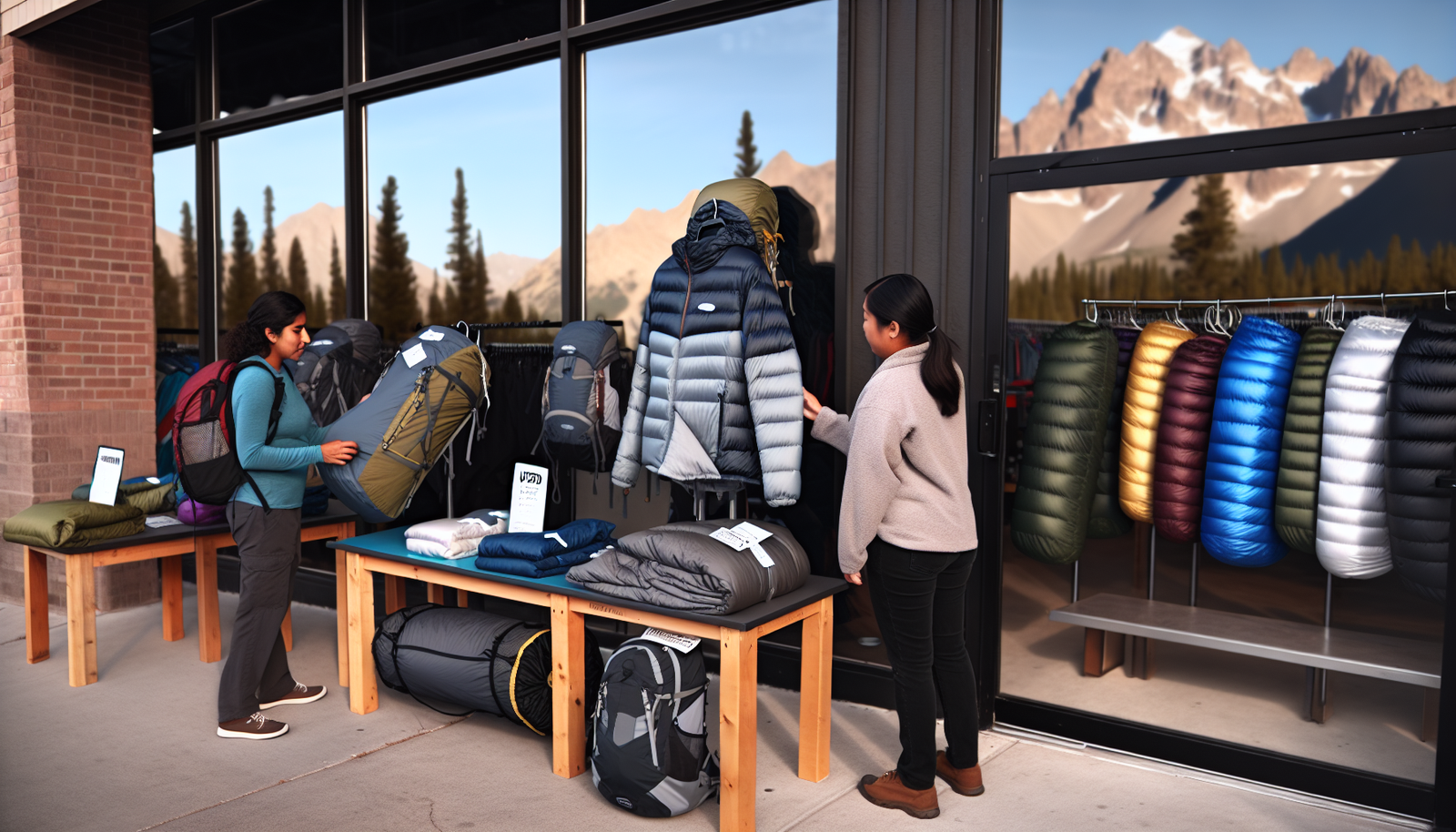
Choosing the right outdoor gear blends performance, price and sustainability. This guide walks through evaluating expert reviews like OutdoorGearLab, shopping at specialty stores and REI, sourcing quality used gear through exchanges, and maintaining equipment for longevity. Follow these steps to make confident, SEO-friendly buying decisions that keep you safe and comfortable on every adventure.
Choosing the right outdoor gear
Clarifying your trip type, season, and activity is the foundation for making smart outdoor gear choices. Whether you’re backpacking, mountaineering, skiing, or car camping, every adventure has distinct requirements. Seasonality impacts insulation needs and waterproofing, while group size changes shelter and cooking gear. Identifying specifics about your adventure is the first step toward narrowing a tidal wave of options into targeted, functional choices.
Major outdoor gear categories have distinct specifications you can use to compare options:
- Backpacks: Volume (liters), weight, suspension comfort, adjustability, and ventilation are critical. Long treks demand larger packs with solid weight transfer; minimalist trips may prioritize ultra-light packs.
- Tents: Capacity, packed weight, vestibule area, waterproof rating (hydrostatic head in mm), pole material, and ventilation. For example, a two-person, 3-season tent with 3,000 mm hydrostatic head is ideal for moderate rain.
- Sleeping Systems: Temperature ratings (comfort/limit), fill power and type (down/synthetic), weight, and compressibility. A 20°F down bag with 800 fill power weighs less and packs smaller than synthetics but needs more care when wet.
- Jackets/Shells: Insulation warmth, fill power, shell material, waterproofness (mm), breathability (often given as g/m2/24h). A higher waterproof rating but lower breathability isn’t always better—balance is key for variable weather.
- Footwear: Fit, sole type (aggressive lugs for off-trail vs smoother for trail), stiffness, waterproofing, and intended terrain. Try boots in person if possible—it’s the best defense against blisters and injury.
- Technical Gear: Look for certifications, weight, adjustability, and fit with your other essentials (e.g., helmet compatibility).
Use this practical needs-assessment checklist:
- What activity? (Trail, alpine, climbing, paddling?)
- Duration of trips? (Day trip, overnight, week+)
- Typical weather? (Wet, cold, hot, variable?)
- Solo or group use?
- Weight vs comfort? (Ultralight essentials or luxury features?)
As you shop, apply this decision framework:
- Durability vs weight: Heavier often means stronger, but weight adds up quickly over miles.
- Price vs performance: Sometimes a high price signals longevity and warranty, but bargains exist in older models or gently used gear.
- Versatility vs specialization: A 3-season bag does most things well; a deep-winter bag excels only in frigid temps but is overkill in summer.
Shopping checklist:
- Try on or test critical items (packs, boots, shells) in person, even if you buy online later.
- Know your fit: Sizing varies. Look for adjustable torsos/straps.
- Buy gear that matches your actual use patterns, not aspirational trips.
- Read trusted expert and user reviews (OutdoorGearLab, REI, Outdoor Gear Exchange) to verify claims.
- Consider used gear for major savings—inspect for function and wear.
Replacement criteria:
- Major damage, leaks, or failures
- Packed insulation or loss of loft in sleeping bags/jackets
- Sole delamination or severe tread wear for boots
- Zipper, pole, or frame failures in tents/packs
Prioritize in-person fit for key gear, especially boots and packs. Use stores like REI for expert fitting, then compare prices or hunt for used deals. For most items, move from vague wish lists (“a tent for camping”) to precise, measurable targets (“a 3-season, sub-4 lb tent with at least 3,000 mm waterproof rating and double vestibules”). This systematic approach ensures every purchase adds true value and comfort to your time outdoors.
Decoding reviews and testing with OutdoorGearLab
- Understanding Review Elements: Quality review platforms like OutdoorGearLab break gear assessments into several parts. Lab metrics focus on objective, repeatable measurements—think waterproofing (hydrostatic head), warmth retention, or weight. Field testing involves using gear in real-world conditions, often contrasting performance in diverse climates and terrains. Long-term wear tests reveal durability and comfort over months of use. Scorecards summarize findings, often weighing multiple features into an overall score. Pros and cons lists highlight key strengths and weaknesses, while spec tables provide the hard numbers at a glance.
- What Makes Reviews Trustworthy: Look for clear explanations of the testing process, such as how rainwear was drenched, or boots were worn daily. Reviews should list test criteria and methodology so results can be compared or repeated. Top reviewers clearly declare if manufacturers supplied samples, disclose any sponsorships, and explain affiliate link policies. Comparative, head-to-head testing is a hallmark of reliable resources—rather than just stating opinions, they measure and rank similar items side-by-side.
- Deep-Dive: How Tests Are Structured: Detailed reviews dig beyond the surface, breaking down materials, construction, and performance by task: e.g., a rain jacket’s breathability hiking in May, or a stove’s boil time in wind. Consider the overall score as a starting point, but scrutinize feature-level results to ensure the gear excels in the areas that matter most for your activities.
-
Step-by-Step: Using Reviews to Make Choices
- Identify which metrics matter most for your trip or sport (e.g., warmth for alpine sleeping bags; durability for desert packs).
- Filter reviews by those mission-critical traits—read the specific test results, not just scores.
- Consult multiple review sources, including comparative tests and expert/user reviews.
- Cross-check expert findings with real user feedback for hidden issues or praise.
-
Common Pitfalls to Avoid:
- Don’t pick based only on highest score—one reviewer’s priorities may not match yours.
- Beware of bias: free samples or incentives can affect opinions.
- Understand that technical lab results (like waterproof mm) are guides—not the whole story for field reliability.
- Don’t confuse a long features list with actual usefulness or suitability for your needs.
-
Practical checklist for reading gear reviews:
- Is the testing transparent and repeatable?
- Are strengths and weaknesses clear for your priorities?
- Is any sponsorship or sample disclosure present?
- Does the review compare alternatives side-by-side?
- Have you checked more than one review and user opinions?
Buying new at outdoor gear stores and REI
Specialty outdoor gear stores and REI-style co-ops deliver value far beyond offering new equipment off the shelf. Their in-store services directly enhance performance, fit, and the long-term satisfaction of your purchase—critical for costly or technical gear.
- Expert fitting and staff knowledge: Trained staff can properly size boots, packs, and apparel for your specific body and activity, catching sizing or comfort issues that online orders miss. Their knowledge of brands and technical details reduces trial-and-error cost down the road.
- Demo gear and try-before-you-buy: Many shops loan, rent, or let you test gear on site—tents can be pitched for inspection, trekking poles adjusted for ergonomics, rain jackets layered over actual base layers, and backpack frames loaded with weights to simulate real trekking conditions. Immediate feedback ensures your new gear fits both your needs and your body.
- Return policies, warranties, and in-house repair: Generous return windows let you correct mistakes—especially valuable with big-ticket or fit-dependent items. Staff usually handle warranty claims, seam repairs, or offer scheduled maintenance (boot stretching, tent pole splinting, zipper rehab), extending the lifespan and value of your investment.
- REI-style cooperative benefits: Membership programs deliver annual dividends (a percentage of your qualifying purchases back to you), early access to big sales, and extended return periods. REI’s garage sales and used gear events offer discounts on lightly used or returned equipment, and many co-ops loan out gear or run clinics for product care and repair—valuable for both learning and saving money.
- In-store testing tips:
- For tents: Pitch completely, check for even seams, smooth zippers, no fabric overstress, and test setup/takedown ease.
- For backpacks: Load with sandbags or weights, test load-lifter straps and hipbelt tightness, walk and crouch to check stability and pressure points.
- For jackets: Layer with base and mid-layers, flex arms, tighten cuffs and hood to find gaps or tight spots.
- For footwear: Walk on an incline ramp, test different socks, check flex at the toes, and simulate uneven terrain if possible.
- Leveraging professional services: Always ask what’s covered by warranty, which repairs are done in-house (e.g., seam resealing), and how to best care for your gear long-term. Mention your membership for eligible perks or discounts on services, and request written care tips for home maintenance.
Step-by-step checklist for an in-store buying session:
- Review must-have gear features from previous research.
- Arrive with your usual base layers/shoes for more accurate fit testing.
- Ask staff to fit for activity type and body shape.
- Test gear thoroughly in-store as outlined above.
- Ask about return, repair, and warranty policies before checkout.
- Confirm membership benefits, register for dividends/rebates, and inquire about upcoming used gear events or trade-ins.
- Take home or request printed care and maintenance guidelines.
Cost-versus-value flow:
- If gear directly affects safety or multi-year comfort, or if you need sizing help, prioritize new at specialty stores/REI for service and support.
- If price is primary and you’re expert at gear assessment, check used or online options—but factor in long-term repair/return risks and missed fitting support.
- Maximize value by combining new purchase with membership perks, repair, and expert fitting whenever possible.
Finding quality used gear and using gear exchanges
Finding value in used gear means understanding both the rewards and risks involved. Buying used can yield substantial cost savings and significantly reduce your environmental footprint, but it also introduces the possibility of hidden damage, reduced lifespan or safety issues. With careful selection and inspection, these pitfalls can be avoided, letting you outfit yourself affordably and sustainably.
-
Where to look:
- Outdoor gear exchanges and consignment shops, such as Outdoor Gear Exchange, offer curated and sometimes warranty-backed selections.
- Local shops may buy/sell used gear and let you physically inspect before purchase—which is ideal.
- Online marketplaces like eBay, Geartrade or Facebook groups expand your choices but require careful photo and history review.
- Community swap events or co-op garage sales (as at REI) are excellent for bargains and hands-on inspection.
-
Inspection checklist (item-by-item):
- Tents: Inspect seam tape for peeling, check all pole sections for bends or cracks, test tension of the fabric, run zippers end to end, and examine the footprint for abrasions or mold.
- Sleeping bags: Squeeze for lost loft, open and close zippers, sniff for persistent odors, check shell and lining for holes or stains, and estimate down fill by restoring loft and looking for cold spots.
- Backpacks: Tug on straps and seams for robustness, inspect internal/frame stays, check hipbelt padding and webbing, zip every pocket, and feel inside for mildew or water damage.
- Footwear: Press the midsole for compression, inspect tread wear, flex stitching, check fit, and examine the insole for crumbling, especially in older models.
- Technical safety gear (helmets, ropes, harnesses): Never buy gear with unknown or crash history—ask directly about falls or impacts. Look for cracks, severe abrasions, label legibility and frayed webbing. If in doubt, walk away or confirm via manufacturer recertification or replacement.
-
Negotiation and validation:
- Ask about item age, storage and maintenance (photos of serial numbers confirm age for many brands).
- Negotiate based on documented wear/defects and missing accessories (stakes, repair kits, compression sacks etc).
- For cleaning: use down-safe detergents for sleeping bags; mild soap and air-dry tents; wipe packs and boots; reapply DWR to shells; and patch/replace seam tape as needed.
-
Trade-in, consignment or direct sale?
- Trading-in at stores or programs may be faster but nets lower value; consignment shops split profits but handle sales for you; private sales (in-person or online) often fetch the best price but require effort in listing and meeting buyers.
-
Buy-or-walk-away checklist:
- Faded, peeling or punctured safety labels (especially on helmets/harnesses)
- Unexplained stains/odors or mildew
- Missing key structural parts (poles, frames, soles)
- Obvious repairs not disclosed or poorly executed
- Ambiguous or evasive seller answers about falls, history or care
Care repair and sustainable gear choices
Proper care and prompt repair keep outdoor gear performing well for years, dramatically reducing both your total spend and the waste created when gear is prematurely discarded. Regular upkeep protects your investment, maintains performance features (like waterproofing), and supports more sustainable outdoor habits.
- Insulated Jackets & Sleeping Bags: Wash infrequently, using down- or synthetic-specific cleaners in a front-load washer. Dry with low heat, adding clean tennis balls to re-loft down, and store loosely (not compressed) in a large, dry sack—not in stuff sacks. Periodically reapply DWR (durable water repellent) finish: clean first, then spray or wash-in DWR before drying.
- Tents: Shake out dirt after each trip, spot clean stains with lukewarm water and mild soap, dry thoroughly before storage, and avoid prolonged sunlight. Annually, wash the rainfly and floor gently; reseal seams every season or after heavy use. Always store fully dry to prevent mildew.
- Footwear: Remove insoles, brush off mud, handwash with mild soap, and air-dry. Use conditioners for leather. Repair delaminating soles early; for major wear, resole with a cobbler or via mail-in services offered by some brands.
- Common repairs worth learning include patching small tent or jacket holes with tenacious tape, replacing zipper pulls/sliders, hand- or machine restitching loose seams, and gluing delaminated footwear. For complex repairs, like large tears or complete zipper replacement, visit a gear shop, use a store’s repair program (like REI or Outdoor Gear Exchange), or seek specialty cobblers for resoles.
- Many brands offer robust warranties or in-house repair—always save proof of purchase, register gear if required, and photograph issues for claims. Review what’s covered and the costs for out-of-warranty service.
- Sustainable choices: Buy gear with durable materials (ripstop, full-grain leather, metal parts); seek designs with replaceable parts (buckles, soles, zippers); choose used or recertified where safety isn’t at stake; and recycle or donate at end of life through manufacturer or local programs.
- Gear lifecycle path:
- Buy new for safety-critical or technical needs
- Buy used or refurbished for other categories
- Repair whenever feasible
- Recycle, donate, or properly dispose when gear is truly spent
- Set a seasonal checklist—for each major trip and twice a year review zippers, seams, waterproofing, and footwear tread. Refer to resources like Outdoor Gear Lab’s gear-care guides, manufacturer tutorials, and local “fix-it” nights or online groups for parts and advice.
Conclusions
Combine trusted reviews, hands-on testing and smart shopping to find gear that meets your needs. Use review resources, compare new-store benefits at REI and specialty retailers, and consider used gear exchanges to save. Maintain and repair equipment to extend lifespan. These steps improve performance, reduce waste and save money while keeping you prepared for seasonal and long-term use.