

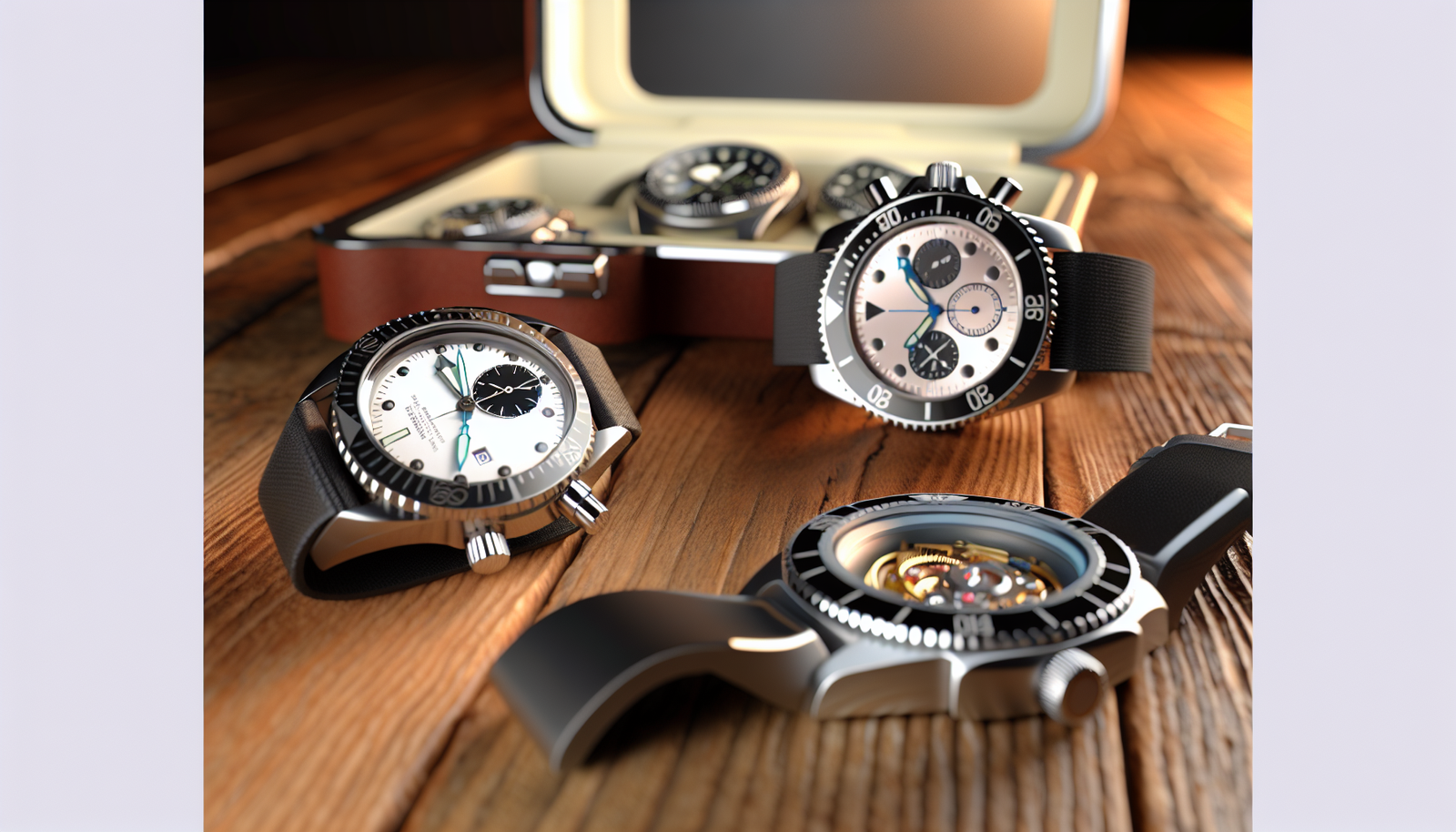
Seiko Essentials walks you through Seiko’s heritage, hallmark technologies, flagship collections, and practical buying and maintenance advice. From Kintaro Hattori’s founding to the Quartz Astron and Grand Seiko craftsmanship, this guide equips buyers and enthusiasts with clear criteria to choose, authenticate, and care for Seiko watches so they last and retain value.
Origins and defining milestones
1860s-1881: The Vision of Kintaro Hattori
- 1881 – Founding by Kintaro Hattori: At just 21 years old, Kintaro Hattori opens his watch and clock shop in Tokyo, marking the beginning of Seiko history.
- 1892 – Establishment of Seikosha Factory: Hattori founds Seikosha, his own manufacturing facility; this enables in-house development and quality control.
- 1913 – Laurel, Japan’s First Wristwatch: Seikosha launches the Laurel, pioneering domestic wristwatch production in Japan.
- 1960 – Grand Seiko Origins: The first Grand Seiko is introduced, setting new standards for precision and finishing in Japanese watchmaking.
- 1965 – First Seiko Dive Watch: Entry into the sports segment with the 62MAS, Japan’s first diver’s watch, shaping the future of Seiko dive watches.
- 1969 – Quartz Astron 1969: The release of the world’s first quartz wristwatch, the Quartz Astron, disrupts global watchmaking with unprecedented accuracy and affordability.
- 1999 – Spring Drive Commercial Launch: Innovative Spring Drive technology is introduced, blending mechanical craftsmanship with quartz-regulated precision.
- Late 20th Century–Present: Global Expansion: Seiko becomes an international leader, recognized for its full-spectrum offerings from accessible models to luxury Grand Seiko pieces.
Throughout the 20th century, Seiko reshaped the landscape of watchmaking. From the passion of Kintaro Hattori in 1881 to the seismic impact of the Quartz Astron 1969, key chapters in Seiko history have been defined by innovation and reinvention. The debut of Grand Seiko origins signaled a serious foray into the luxury segment, while the introduction of dive watches and Spring Drive exemplified continual technological evolution. Each milestone strengthened Seiko’s position across diverse markets—making the brand equally synonymous with affordable everyday watches, rugged performance models, and high-end horology. The result is a dynamic legacy that continues to inform Seiko’s positioning in global watchmaking today.
Signature technologies and how they differ
Quartz Ultra-precise, low-maintenance, and battery-driven, Seiko quartz movements pioneered the modern era of accuracy.
- Accuracy: Typically ±15 seconds/month (entry-level) to ±5 seconds/year in 9F Grand Seiko.
- Power Source: Battery powered, some solar variants (Seiko Solar).
- Common Calibers: 7N, 7T, Caliber 9F (Grand Seiko).
- Maintenance: Infrequent, generally just battery changes every 2-3 years.
- Pros: Consistent Seiko quartz accuracy, minimal upkeep, affordable entry price.
- Cons: Lacks mechanical charm, battery dependency (unless solar), less collectible appeal.
Automatic/Mechanical Powered by a mainspring and the wearer’s motion, Seiko automatic movement epitomizes traditional watchmaking.
- Accuracy: -20/+40 seconds/day (basic), up to ±5 seconds/day (Grand Seiko hi-beat).
- Power Source: Wound by movement of wrist (or manually).
- Common Calibers: 4R, 6R, 8L, 9S series, NH35.
- Maintenance: Servicing every 3-7 years, depends on usage and water exposure.
- Pros: No batteries required, collector-friendly, enjoys “soul” and heritage.
- Cons: Requires regular servicing, more sensitive to shocks and magnetism.
Spring Drive Seiko Spring Drive fuses mechanical power with quartz regulation for unrivaled smoothness and accuracy.
- Accuracy: ±1 second/day, ±15 seconds/month.
- Power Source: Traditional mainspring, regulated by a quartz-controlled glide wheel.
- Common Calibers: 9R65, 9R86, 9R15 (found in Grand Seiko, Prospex LX).
- Maintenance: Similar to mechanical, 3-5 years recommended service.
- Pros: Unique glide-seconds hand, unparalleled accuracy for a mechanical-driven watch.
- Cons: Higher price, limited to select models, specialized servicing needed.
Kinetic Kinetic technology blends automatic winding with a quartz timekeeping module, offering battery-free convenience and quartz accuracy.
- Accuracy: ±15 seconds/month.
- Power Source: Wrist movement charges a capacitor (or lithium cell), which powers a quartz movement.
- Common Calibers: 5M, 7L families (out of production in many markets).
- Maintenance: Occasional capacitor/battery replacement (5-10 years).
- Pros: No regular battery changes, Seiko quartz accuracy, eco-friendly.
- Cons: Capacitors may require eventual replacement, fewer new models available.
Mechanical High-Beat vs. Spring Drive
- Accuracy: Spring Drive outperforms high-beat (±1 sec/day vs. about ±5 sec/day).
- Feel: Spring Drive offers a true glide motion seconds hand; high-beat mechanicals “beat” smoothly but still tick micro-steps.
- Servicing: Both require trained specialists—high-beats can need more frequent attention due to physical wear; Spring Drive adds electronic complexity.
- For daily wear and reliability, choose quartz or Kinetic (minimal care, top Seiko quartz accuracy).
- For passionate collectors or those seeking horological artistry, Seiko automatic movement and Spring Drive provide heritage and craftsmanship. Spring Drive is unmatched for technical innovation and smooth feel. Dive enthusiasts often select automatic or Spring Drive Prospex models for dependability.
Understanding Seiko collections and choosing the right model
Seiko 5 The gateway to robust, affordable Japanese automatic watches.
- Automatic movement, day/date complication, see-through caseback, and classic sport styling.
- Typical price range: $70–$350 USD.
- Recommended for: newcomers, daily wearers, and those seeking value in mechanical watches.
- Popular models: SNK809 (“field watch look”), SRPD (“Seiko 5 Sports”), stand out for reliability and customization.
Prospex Professional-grade sports and dive watches built for adventure.
- Dive-certified cases, ISO-rated water resistance, robust automatic, solar, or quartz movements.
- Typical price range: $350–$1100 USD (LEs and high-end often higher).
- Recommended for: divers, outdoors enthusiasts, and tool watch fans.
- Icons/nicknames: “Turtle” (cushion case, 200m WR, vintage diver looks), “Samurai” (angular lines, strong lume), “Tuna” (distinct shroud, pro diver heritage). The “Seiko Prospex dive” family is famous for their ruggedness and legibility.
Presage Classic, mechanical dress watches blending tradition and craftsmanship.
- Mechanical and Spring Drive movements, enamel/urushi/lacquer dials, exhibition casebacks.
- Typical price range: $400–$2000 USD.
- Recommended for: office/dress occasions, collectors, and fans of horological artistry.
- Notables: Cocktail Time (“colorful, intricate sunburst dials”), Presage Arita Porcelain (hand-finished dials). The “Seiko Presage dress watch” is a top search for elegant Japan-made timepieces.
Astron The world’s first GPS solar watch, for global accuracy and precision.
- GPS-controlled solar quartz, perpetual calendar, world time, high-end materials (titanium, ceramic).
- Typical price range: $1200–$3000 USD.
- Recommended for: frequent travelers, tech lovers, those needing extreme precision on the go.
Grand Seiko Seiko’s pinnacle of luxury, with relentless pursuit of perfection in movement and finishing.
- Exclusive Spring Drive, high-beat automatic, and quartz calibers, “Zaratsu” polished cases, hand-finished dials.
- Typical price range: $3000–$12,000+ USD.
- Recommended for: luxury buyers, serious collectors, those considering “Grand Seiko vs Seiko” for superior craftsmanship. Famous for the “Snowflake”, “White Birch”, and “SBGW” series, all renowned for exceptional detail.
Credor Japanese haute horlogerie—where micro-mechanical artistry meets tradition.
- Handcrafted cases, unique in-house movements (minute repeaters, Eichi, Sonnerie), precious materials.
- Typical price range: $10,000–$500,000 USD.
- Recommended for: haute horlogerie collectors, those who desire true limited production artisanal Seiko.
- Is budget your top priority? Seiko 5
- Need high durability and water resistance? Prospex
- Prefer a refined, classic aesthetic? Presage
- Desire quartz-level accuracy with cutting-edge tech? Astron
- Want true luxury and hand-finishing? Grand Seiko
- Seeking the rarest, artisanal craftsmanship? Credor
- Sports vs dress: Prospex and Seiko 5 (sport) / Presage, Grand Seiko, and Credor (dress)
- Movement preference: Mechanical (Seiko 5, Presage, Grand Seiko, Credor), Quartz (some Prospex, Astron, high-end Grand Seiko)
Buying Seiko new or used and verifying authenticity
Pre-purchase checks before you buy Seiko watch—new or used:
- Verify authorized dealer or trusted seller reputation —A reliable retailer ensures authentic Seiko and access to support or warranty service.
- Confirm model and caliber numbers —Check these against Seiko’s official catalog or reference sites to avoid fakes or incorrect parts.
- Match serial numbers to caseback markings —Consistent numbers verify originality and manufacture date, a critical step in any used Seiko guide.
- Inspect presence of original box and papers —Not always necessary for vintage models, but for modern watches, these support authenticity and resale value.
- Request service history for used pieces —Evidence of regular maintenance suggests better long-term reliability and fewer hidden defects.
-
Red flags for counterfeits or over-modified Seiko:
- Poor or inconsistent logo printing on dial, caseback, or clasp
- Rough or sharp finishing on lugs, crown, or bezel
- Incorrect or gritty bezel action (on divers or sports models)
- Mismatched dial printing, hands, or chapter ring compared to trusted reference photos
-
Where and how to buy authentic Seiko:
- Authorized retailers for new and warranty-backed pieces
- Reputable online marketplaces like Chrono24, WatchRecon, or dedicated Seiko forums with strong moderation
- Auction houses for rare or vintage Seiko; verify auctioneer’s reputation
-
Warranties and global service centers:
- New Seiko watches come with an international warranty honored at official service centers worldwide
- Pre-owned watches may have limited or lapsed coverage—ask for proof of warranty or recent service when possible
-
Tips for reading Seiko model/case codes:
- Seiko codes (e.g., SRPD55K1) identify series, movement, and market. Use them to research specs, price trends, and historic values.
- Online “caseback decoder” tools or Seiko catalogs help confirm the age and originality of any Seiko, critical for an accurate price expectation.
Care routine maintenance and collecting strategy
Seiko maintenance schedule for optimal performance:
- Quartz battery replacement: every 2–3 years — ensures continuous accuracy and prevents battery leaks that can damage the movement.
- Mechanical service intervals: every 4–6 years — regular overhauls maintain lubrication, accuracy, and prevent excessive wear.
- Water-resistance checks (dive models): annually or before water exposure — gaskets degrade over time; annual tests prevent moisture damage to dial and movement.
- Proper storage: dry, temperature-stable environment — avoids humidity and extreme temps that degrade materials; use a dedicated watch box to minimize scratches.
At-home Seiko care tips:
- Wipe case and bracelet with a soft, dry cloth to avoid buildup of sweat and dirt.
- Avoid placing near magnets (phones, speakers) to preserve timekeeping accuracy, particularly for mechanical models.
- Clean straps gently: rinse rubber straps with fresh water post-swim, avoid soaking leather straps.
- Always check the crown is pushed in or screwed down before exposure to water; operate crown only when watch is dry to prevent moisture entry.
Collector’s approach to “collecting Seiko watches”:
- Retain all original documentation—warranty, box, tags, and sales receipts for provenance and future value.
- Grade and record condition consistently using accepted terms (NOS, Mint, Excellent, etc.).
- Keep detailed service logs; for vintage and rare pieces, proof of professional Seiko service increases buyer confidence.
- Before resale, have watches professionally serviced if overdue—”Seiko maintenance” history is a selling point.
Aftermarket modification and its effects:
- Modding (changing hands, dials, bezels) voids Seiko’s warranty.
- Aftermarket parts reduce collectibility and resale on the “Seiko watches” market unless disclosed and valued for uniqueness.
- Always keep original parts—future buyers often prefer stock configurations.
Strategic collection-building:
- Balance between quartz, automatic, and Spring Drive for technological variety.
- Start with accessible models (Seiko 5, Presage), target rarer or historic pieces as expertise grows.
- Allocate budget across segments to diversify investment and enjoyment; research “service intervals” for each movement type.
Conclusions
Seiko blends accessible value with notable technical innovation, from entry-level Seiko 5 pieces to Grand Seiko and Spring Drive excellence. Knowing the brand’s milestones, movement types, key collections, authentication checks, and maintenance needs helps you buy smarter and preserve your watch. Follow the checklist and care routines here to enjoy reliable performance and long-term value from any Seiko you choose.