

### Blog Post:
ADU construction is the smart way for homeowners in high and mid-cost US metros to unlock instant rental income and boost future property value, but only if you know exactly what to expect for costs, permit timelines, city ROI, and hidden pitfalls. This in-depth guide walks you through the new 2024 landscape — from real costs and returns across LA, Bay Area, San Diego, and Sacramento, to must-have tech specs and step-by-step checklists — so you can confidently go from “maybe” to “hiring a contractor” without getting burned.
Key Takeaways
- The US ADU market surged to $8.5 billion in 2024, with city-specific ROI as high as 13.7% on typical projects.
- Realistic all-in costs and timelines depend on ADU type, region, and local permits — prefab units often promise faster delivery but may hide utility and finish quality issues.
- Homeowners who use clear spec checklists and city-approved contractors avoid most delays, denials, and budget overruns.
- 2024 ADU market snapshot and ROI — why now?
- Typical costs in 2024 — national ranges and major-city breakdown
- Stick-built vs Prefab ADUs — all-in costs, tradeoffs, and hard numbers
- Typical timeline — planning to move-in, phase-by-phase
- Permits & approvals — most common hurdles and expert tips to speed approval
- Building codes, zoning, and financing differences by state/municipality in 2024
- Negative experiences & common complaints with prefab ADUs, backyard cottages, granny flats
- Technical specs and must-have features homeowners should demand
- Financing options and ROI modeling — how to run the numbers
- City snapshots & mini case studies
- Overlooked subtopics competitors miss — quick wins to include
- Contractor selection checklist + sample RFP and contract red flags
- Quick cost-estimator tool instructions and downloadable checklist (CTA)
2024 ADU market snapshot and ROI — why now?
The Accessory Dwelling Unit (ADU) boom is no fad. In 2024, US ADU construction reached $8.5 billion, and major cities see record demand as families tackle high housing costs, generate rental income, or plan for in-law suites. In Los Angeles alone, over 15,000 ADUs are permitted as of 2024 — with Bay Area and San Diego not far behind. Typical ROI ranges from 7–15% nationwide. For example, a Los Angeles ADU rented at $2,053 per month can produce a 13.7% annual return on a $180,000 build. Build costs continue to climb, but so do property values: adding an ADU in LA often boosts home value by 35%. If you’re considering waiting, consider the every-year rise in labor and materials — 2024 is better than 2025 for locking in ROI and value.
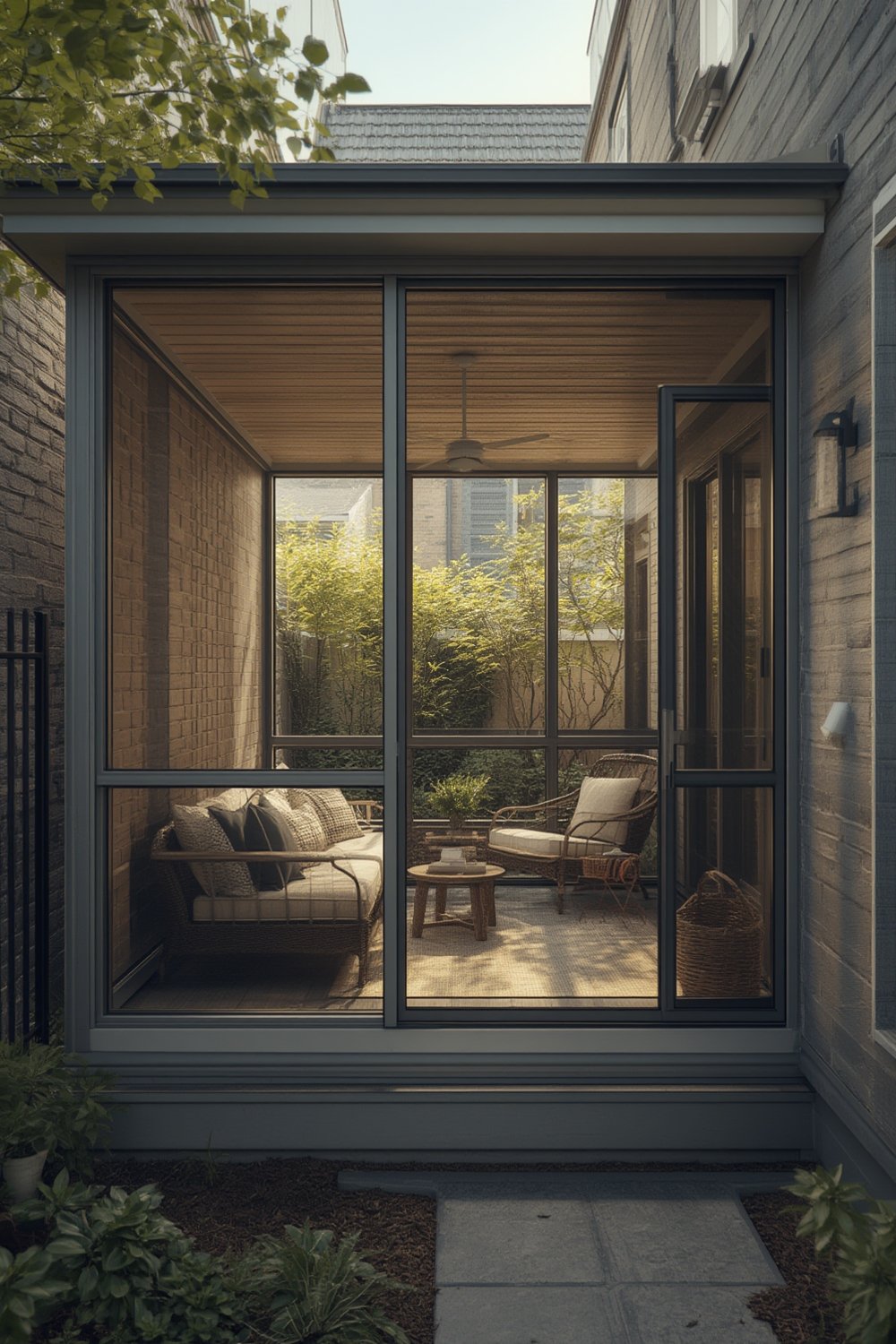
Ready to assess if building now is the right move? The latest trends and ROI numbers make a compelling case — but only if you’ve got the full picture on cost, zoning, and timeline realities.
Typical costs in 2024 — national ranges and major-city breakdown
ADU construction costs are driven by region, size, and build method. Here’s what you need to know for 2024:
- National baseline: $146,500–$216,500 all-in. Most homeowners spend between $130,000 and $400,000 for a detached unit.
- Los Angeles: $195,000–$585,000 (detached), $150,000–$250,000 for 500 sq ft, over $300,000 for 1,200 sq ft (source).
- San Francisco Bay Area: Detached ADUs cost $210,000–$630,000 — the highest due to land and labor.
- San Diego: Site-built $300,000–$450,000 average, prefab ADU options commonly $150–$300 per sq ft.
- Sacramento: $150,000 to $450,000 all-in.
Size matters: small prefab units (200–500 sq ft) range $350–$600 per sq ft, while larger (1,000+ sq ft) drop to $150–$300 per sq ft. These numbers include construction, average permitting and design, but may not cover hidden utility hookups or premium specs.
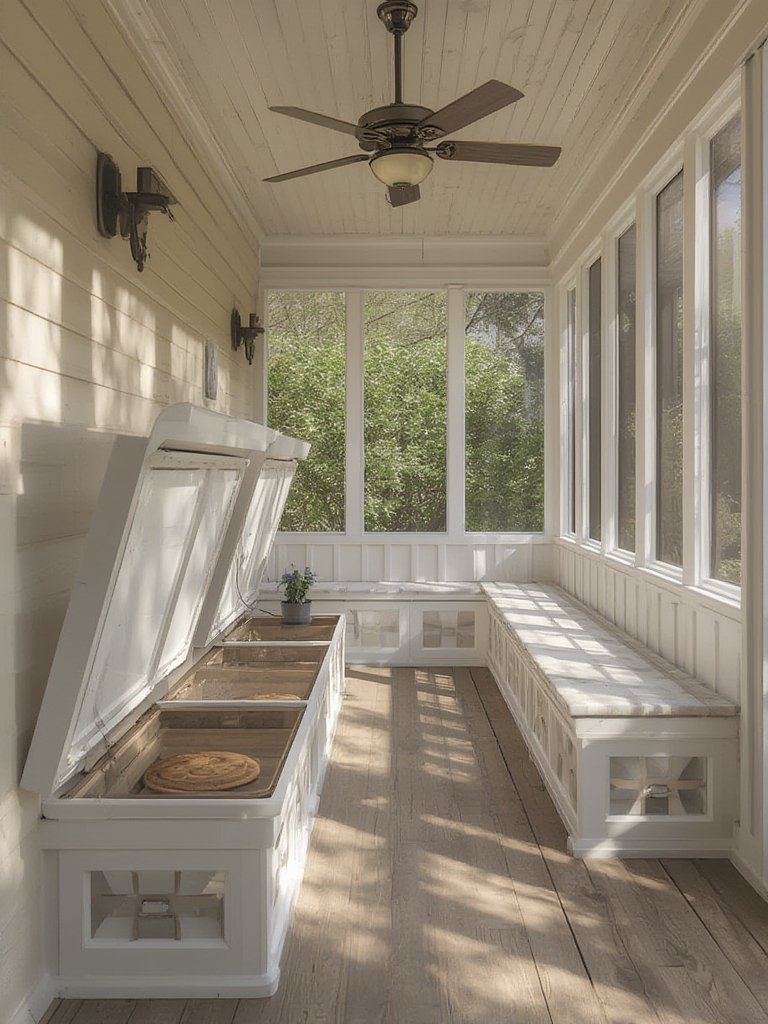
For more granular figures, prefab ADUs are increasingly popular due to predictable pricing, especially for smaller lots or tricky access. Compare this to site-built, which offers full customization but brings more cost/permit risk. For more on prefab construction’s pros and cons, see our section below — or learn about other outdoor investment trends in our Small screened-in porch guide.
Stick-built vs Prefab ADUs — all-in costs, tradeoffs, and hard numbers
Should you pick a stick-built (custom onsite) or prefab (factory-built) ADU? Here’s a side-by-side comparison so you avoid surprise overruns or regrets. Each method has trade-offs in total cost, timeline, utility setup, and finish quality.
| Factor | Stick-built ADU | Prefab ADU |
|---|---|---|
| Construction Cost | $300,000–$450,000 (San Diego); permit $4,000–$7,000 | $150–$300 per sq ft smallest units: $350–$600 per sq ft |
| Timeline | 8–12 months (planning to move-in) | 5–6 months (if pre-approved, delivery higher risk for site, utility delays) |
| Customization | Full control over layout, finishes, systems | Limited models/layout; customizations add cost/delay |
| Quality Control | Varies by builder; site risks (weather, crew); more field oversight | Factory QA; fewer weather delays but watch for transport/finish damage |
| Permit Process | Slower, but more flexible if using an experienced local expeditor | Faster if city accepts vendor’s pre-approved plans |
| Utility Hookups | Commonly included in contract, but verify scope | Often excluded or only stubbed to unit; site work can cost extra |
| Predictable Price | Budget risk with change orders, unforeseen site issues | Fixed price for box, site extras vary or escalate |
Important: With prefab ADUs or backyard cottages, buyer complaints often center on hidden site costs, unclear utility responsibilities, and mediocre finish levels versus sample models. Check Better Business Bureau profiles and insist on written warranty and sample finish docs before signing.
If you plan to power your in-law suite or backyard unit with renewable energy, check out our detailed Home Solar Panels Guide.
Typical timeline — planning to move-in, phase-by-phase
Building an ADU can take anywhere from 5 to 12 months dependent on city, design, and project complexity. Here’s how a full cycle usually breaks down:
- Initial Planning/Design: 1–2 months. Architect or prefab vendor visits, surveys, finalizes layout.
- Permitting Phase: 2–3 months in San Diego (varies by city). Sticks if plans not pre-approved or incomplete.
- Site Prep & Utilities: 1–2 months. Clearing, grading, digging trenches for power/water/sewer.
- Construction/Assembly: 2–4 months for prefab, 3–6 months for stick-built. Weather and inspections slow down stick-built more.
- Final Inspections & Occupancy: 2–4 weeks. Schedule city sign-offs, utility releases, certificate of occupancy.
How to shorten your timeline: Use pre-approved ADU plans if your city offers them, and hire a contractor or vendor with proven permit success. Request a detailed Gantt chart showing each step before you commit to a contract.
Considering a faster, smaller structure on a budget? If so, see our Essential Camping Gear for Car and Outdoor Trips guide for other flexible space ideas.
Permits & approvals — most common hurdles and expert tips to speed approval
Most ADU permit delays and rejections in 2024 fall into a handful of categories:
- Setbacks and lot coverage: Many cities enforce rear/side yard requirements — not every lot qualifies without a variance.
- Parking: Cities such as Sacramento and Bay Area may impose off-street or on-site parking mandates. Some CA cities now exempt ADUs within a half-mile of transit.
- Utility connections: Vague or missing site plans showing water, sewer, electrical stubs cause months of delay, especially with prefab ADUs.
- Fire access/egress: Many denied applications cite insufficient access width (fire lane) or egress windows/doors.
- Incomplete documentation: Missing calculations (Title 24, energy reports), outdated plans, or unsigned engineering sheets.
Expert strategies to accelerate:
- Book a pre-submittal meeting with your city’s permit office to confirm requirements and setback specifics.
- Use standardized, city-pre-approved ADU plan sets wherever possible.
- Hire a permit expeditor with direct ADU experience in your municipality.
- Submit all zoning, site, and engineering docs clearly labeled as “for ADU permitting” to avoid being lumped with unrelated remodels.
For Sacramento and LA, owners report the least trouble when working with local architects who already have multiple city approvals. Online checklists are rarely enough — match your contract scope to your actual city’s permit checklist, not just a generic template.
Get more advice on tackling outdoor project permits and approvals in our Best Camping Gear Guide Choosing the Right Tent.
Building codes, zoning, and financing differences by state/municipality in 2024
California leads in permissive ADU regulation: Los Angeles alone approved over 15,000 ADUs by 2024, and most cities now allow detached, attached, and even “junior” ADUs. Oregon and Washington enforce comparable codes with high construction costs ($300–$600 per sq ft), while Texas and much of the Midwest see lower labor/material cost ($150–$300 per sq ft).
Zoning matters: In nearly every jurisdiction, setbacks, lot size, and height limit whether you can build a backyard cottage. Rural towns or southern metros (e.g., Atlanta) allow ADUs at $100–$200 per sq ft but may block rentals or require owner-occupancy. Always confirm your lot’s legal status with city zoning staff or online GIS tools.
Financing options: In 2024, more lenders offer home equity, renovation, and ADU-specific loans (including PACE or Fannie Mae upgrade loans). Some California banks now offer ADU construction loans with no payment until the unit is complete. If you’re financing, lock your rate before applying for permits, as the planning stage can drag.
For more, read the 2024 ADU market report for up-to-date cost and code trends.
Negative experiences & common complaints with prefab ADUs, backyard cottages, granny flats
Despite hype, prefab ADUs and modular backyard cottages attract real-world buyer complaints you should watch for. The most common issues (pulled from BBB reports, vendor reviews, and homeowner interviews):
- Late or damaged deliveries: Units arrive later than promised, or with finish/structural damage from transport.
- Poor service and responsiveness: Hard to reach after deposit; long waits for warranty service on leaks or faulty electrical/HVAC.
- Utility hookup confusion: Some vendors “exclude” trenching, hookup, or connection to main house; leaving unexpected $15,000–$40,000 bills.
- Finish quality disappointment: Floor, tile, or cabinetry quality lower than model/showroom units; “bare bones” is the norm.
- Misaligned dimension or plan expectations: As-built units sometimes differ from CAD drawings (skylights omitted, door swings reversed).
For example, Pacific ADU in Los Angeles holds a 2.8-star BBB rating with complaints about slow repairs and “change order escalation,” while multiple Yelp users cite long-site delays after delivery.
Vendor vetting checklist:
- Request at least three recent local references with occupied units.
- Inspect a finished, delivered product — not just a model home.
- Get HVAC/plumbing specs and all included “site work” in writing, with price ceilings for unknowns.
- Read Google, Yelp, and BBB reviews before signing a deposit.
- Demand a detailed owner’s manual and warranty policy with every contract.
For outdoor or hybrid living expansions, compare experiences in our Camping World Guide to 100% Outdoor Adventure.
Technical specs and must-have features homeowners should demand
Smart ADU construction starts with a clear spec sheet. Whether you build or buy, include these essentials for contracts and RFPs:
- Foundation type: Specify slab-on-grade (most stable), engineered pier, or crawlspace — verify vendor’s code compliance.
- Insulation (R-values): Walls minimum R-21, roof/attic R-38 or higher; colder regions may require more.
- HVAC / minisplit: At least 8,000–12,000 BTU per 500 sq ft; look for variable-speed inverter units and EnergyStar ratings. HVAC / minisplit
- Plumbing stub locations: Exact tie-ins for water, sewer, and gas — detailed on plan and included in sitework.
- Electrical panel: Minimum 100-amp subpanel with spare capacity for future appliances or EV charger.
- Energy code compliance: Title 24 (CA) or local equivalent, including high-e p windows and energy code compliance Air Changes per Hour testing.
- Fire egress and alarms: Minimum one egress window per bedroom; hardwired smoke/CO detectors in unit and corridor.
- Sound ratings: Minimum wall/ceiling assemblies of STC 50 or better (especially for attached or garage ADUs).
- Accessibility options: No-step entries, lever handles, and 36” doorways standard in many designs.
- Warranty terms: At least 1 year full, 5 years (structure/systems), written in contract.
Cost per sq ft justifies demanding these: with project budgets from $150–$600 per sq ft, don’t settle for “builder’s grade” or unclear finish packages. Use expert MEP checklists or have a local inspector review plans before signing.
Financing options and ROI modeling — how to run the numbers
Financing is less complex in 2024, but you must model cash flow and payback in detail:
- Common loan options: Home equity loans, ADU-specific construction loans (with deferred payments), cash-out refinance, or PACE programs.
- Typical permit and impact fees: $1,500–$7,000, depending on city and utility scope (source).
- ROI quick calc: LA example: $2,053/month rent ($24,636/yr) on a $180,000 build yields 13.7% ROI, not counting property value jump (average 20–35%, LA up to 35%).
To estimate your ADU’s ROI, plug local build costs, permit/utility fees, insurance/mo, and predicted rent into a basic spreadsheet. Always factor a 10–15% contingency for site surprises and schedule drag.
Need property-specific projection? Get quotes from at least two local ADU contractors or lenders before you commit to plans. For more property value strategies, explore our Seiko Essential to maximize homeowner value in 2024.
City snapshots & mini case studies (Los Angeles, San Francisco Bay Area, San Diego, Sacramento, national baseline)
- Los Angeles: Over 15,000 ADU approvals by 2024, detached units $195,000–$585,000; rent up to $2,000/month. Permitting is streamlined, but garage conversions sell fastest.
- San Francisco Bay Area: Detached ADUs $210,000–$630,000, with very high land/utilities costs. Timeline 10–14 months; scrutinize site/decking work.
- San Diego: Site-built ADUs average $300,000–$450,000. Permitting 2–3 months typical. Coastal lots require more rigorous stormwater and utility plans.
- Sacramento: Units $150,000–$450,000, easier permitting due to recent city up-zoning. Parking and height relaxations in effect, especially near transit.
- National baseline (TX/Midwest): $150,000–$300,000 for a 600–900 sq ft ADU; more flexible zoning but check owner-occupancy rules and short-term rental restrictions.
Overlooked subtopics competitors miss — quick wins to include
Most top-ranking ADU construction guides skip these high-impact topics:
- Utility connection planning: Early survey with utility companies to avoid weeks of “after-the-fact” fees for panel upgrades, trenching, and backflow preventers.
- Insurance impacts: Notifying your insurer and securing separate ADU rental rider boosts coverage; unreported units may void claims.
- Resale/MLS strategy: Use “fully permitted ADU” language for highest buyer interest and appraisal value. Collect all permits for listing.
- Long-term maintenance costs: Budget $1.50–$2.00 per sq ft/year for exterior, roof, and system checkups.
- Contractor contract/protections: Key clauses: retention/withhold, milestone releases, explicit utility site work scope, and 100% detailed spec sheet.
- Accessory parking strategies: Add compact or tandem spot to win city planner support and future tenant value.
For additional details you won’t find elsewhere, directly interview local ADU architects or city planners and request their internal checklists — much more current than online “best of” lists.
Contractor selection checklist + sample RFP and contract red flags
Picking the right ADU construction partner is your single biggest risk/reward factor. Use this checklist and sample RFP scope as your baseline:
- Licenses and city approvals: Contractor should hold “B” license and show at least 3 city-approved ADU completions within last 24 months.
- Portfolio and references: Visit at least 2 finished units; call past clients. Ask about site delays or hidden extras.
- Lead times and crew availability: Can they start within 6–8 weeks? (Many quality ADU crews book 6+ months out in LA/SF/San Diego.)
- Warranty and inspection plan: Written coverage plus phased inspection schedule, including on-site electrical/plumbing sign-off before drywall.
Sample RFP scope:
- Site work: clearing, trenching, utility stubs, grading
- ADU construction: complete with finishes, HVAC, Title 24 report
- Utilities: connection to main house, site meter, panel upgrade if needed
- Final inspections, clean-up, move-in ready
- Timeline: Provide Gantt chart or phased schedule
Contract red flags: Ambiguous “TBD” sitework costs, no milestone payment schedule, missed utility hookup terms, or finish allowances that only cover “builder-basic.” Require a 10% contingency line item (typ. $4,000–$7,000 in San Diego) or reject the bid.
Quick cost-estimator tool instructions and downloadable checklist (CTA)
Want a quick ADU construction cost estimate? Here’s how:
- Measure or estimate target unit size (sq ft).
- Identify your metro region/city.
- Pick type: prefab ($150–$300/sq ft) or stick-built (500 sq ft: $350–$600/sq ft; 1,000+ sq ft: $150–$300/sq ft).
- Adjust for site complexity (sloped, access, utility distances).
- Add 10–15% for permit/impact fees, and a contingency buffer.
Download Your ADU Construction Checklist & Sample RFP
This PDF covers permits, utility contacts, financing paperwork, a template RFP, and an inspection schedule you can reuse for your own project.
Plug your estimates into a spreadsheet — update as quotes and permit fees come in. With a clear process, you move from “thinking” to hiring with the same discipline the best investors use.
Frequently Asked Questions
What is the average ROI for ADU construction in major US cities?
ROI typically ranges from 7–15%, with top markets like Los Angeles offering up to 13.7% based on $2,053/month rent from a $180,000 build. Property value increases average 20–35% on top of the rental income.
How long does it take to complete an ADU from planning to move-in?
Timelines average 8–12 months for stick-built ADUs and 5–6 months for prefab units, assuming permits and site work move smoothly. Permit approval alone takes 2–3 months in cities like San Diego.
Are prefab ADUs really cheaper and faster?
Prefab ADUs are typically $150–$300 per sq ft, built in 3–4 months, but hidden site and utility costs can erode savings. Quality and finish levels also vary more than with stick-built units.
What are the most common permit hurdles for ADUs?
Setbacks, off-street parking regulations, utility connection documentation, and incomplete plan sets are the top reasons for delays. Meeting with your city’s permit office beforehand is the best way to avoid them.
What technical specs should every ADU contract include?
Demand written specs for foundation, insulation (minimum R-21 walls, R-38 roof), HVAC sizing, full plumbing/electrical scopes, energy code compliance, egress/safety, and warranty terms.