

Air purifier for allergies is more than a marketing phrase—it’s a real strategy people like you use to manage allergy symptoms at home. But not every machine or filter delivers equal results. Here’s what clinical evidence, allergy organizations, and first-hand user experience reveal in 2024 about choosing, using, and truly benefiting from an air purifier for allergies.
Key Takeaways
- HEPA-based air purifiers significantly reduce airborne allergens and may decrease allergy symptoms, but cannot remove settled dust mites or pet dander from surfaces.
- Independent certifications and proper room-size matching matter more than flashy claims or extra features; ongoing filter replacement and maintenance costs can add up.
- Complement air purifier use with frequent cleaning, bedding encasings, and consider wearables for specific scenarios like commuting or allergy hotspots.
- Do air purifiers actually help with allergies? Quick evidence summary
- Recent clinical studies (2022–2024)—what the science shows
- Technology comparison—HEPA vs activated carbon vs UV-C (real-world for pollen, dust mites, pet dander)
- Wearable vs stationary purifiers—an overlooked option
- Airborne vs settled allergens—what purifiers can and cannot do
- Certifications and objective tests to look for (what they mean)
- Typical user complaints and research gaps—what buyers should confirm before buying
- Price, maintenance, and ongoing costs—research gaps and how to present realistic ranges
- Which models/brands do allergists and institutions recommend—criteria, not hype
- Regulatory and safety updates (ionic devices, ozone, labeling)—what changed and what to avoid
- Practical buying and usage checklist
- Calls-to-action for the writer / research tasks before publishing
Do air purifiers actually help with allergies? Quick evidence summary
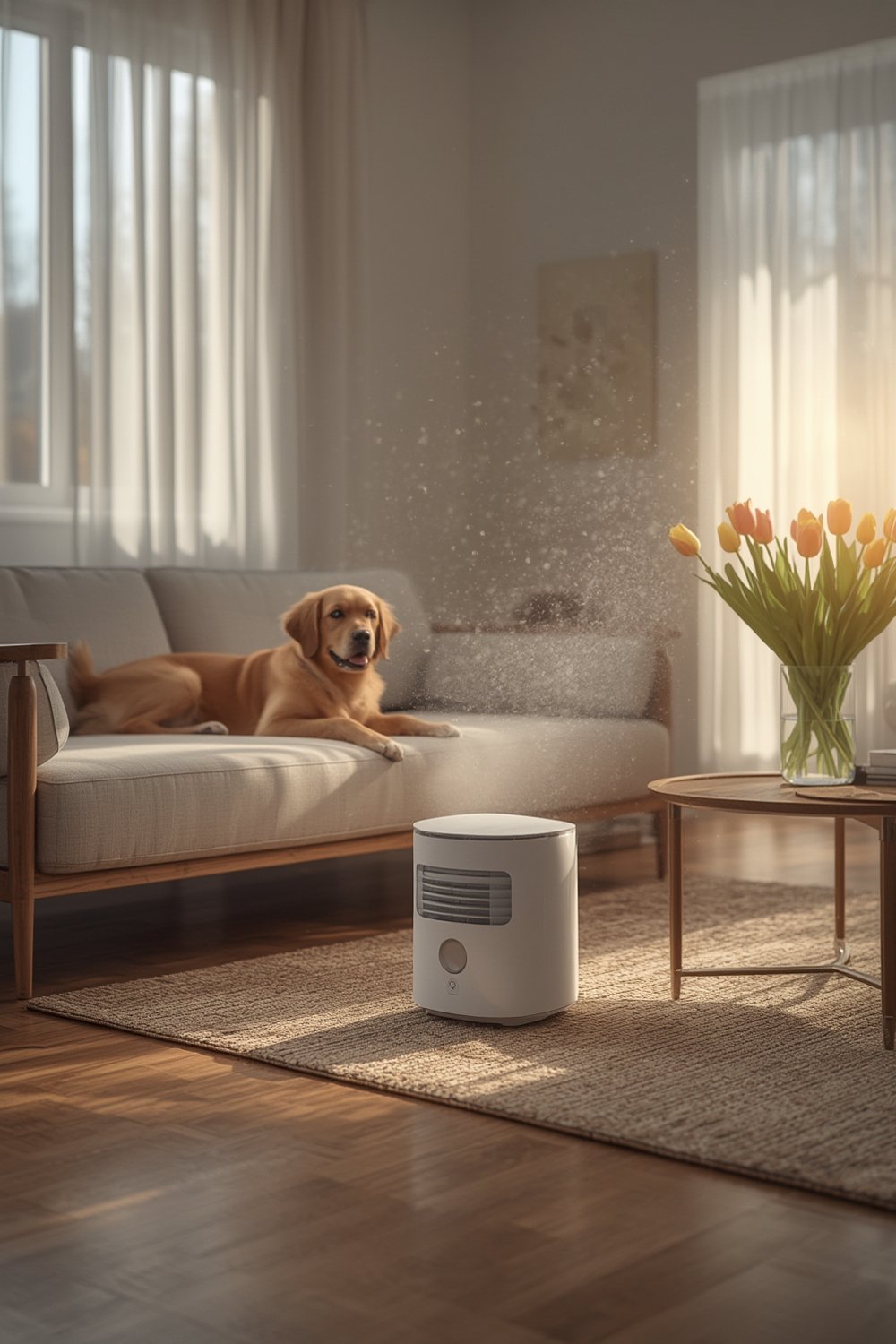
The short answer: Yes, most people with allergic rhinitis can expect an air purifier for allergies using a true HEPA filter to lower airborne allergens and reduce some symptoms, especially with regular use in bedrooms or living areas. Multiple 2022–2024 clinical trials and EPA reviews confirm this: HEPA air purifiers remove up to 99.97% of small airborne particles in controlled settings, including pollen, dust mite fragments, and pet dander. Studies consistently report statistically significant improvements in allergy and respiratory symptoms, though results vary based on room size, filter replacement, and presence of settled dust or dander. Realistically, no air purifier—no matter how strong—can fully eliminate symptoms or remove all indoor allergens, especially those that settle on bedding or carpets.
Recent clinical studies (2022–2024)—what the science shows
Recent studies reinforce the impact of HEPA-based purifiers and newer wearable technologies in lowering both airborne allergen concentrations and clinical symptoms:
- Respiray Wear A+ Allergen Exposure Study (2024): In a controlled chamber study, 48–60% reductions in total symptom scores were seen after 60 minutes for birch pollen, dust mite (HDM), and cat allergens among highly allergic patients; airborne allergen particles dropped significantly. See study.
- 2024 Systematic Review: Analyzed various filtration strategies; found reduced HDM allergen levels in both room air and bedding, as well as modest improvements in daily functioning and symptom burden for allergic rhinitis sufferers. Read the review.
- CAFEH In-home HEPA Trial: Real-world residential study found significantly fewer days with allergy symptoms for participants using HEPA units compared to sham, especially for runny/stuffy nose and sneezing. Trial summary.
What’s the pattern? Results are most consistent for airborne allergy triggers (e.g., pollen, fine dust, and pet dander in air). However, effect sizes can vary; “total removal” isn’t realistic even with 24/7 use, especially once allergens have settled on soft surfaces.
Technology comparison—HEPA vs activated carbon vs UV-C (real-world for pollen, dust mites, pet dander)
All air purifier for allergies models are not created equal. Here’s a side-by-side breakdown of what matters for actual allergy relief:
| Technology | Pollen | Dust Mites | Pet Dander | Key 2024 Evidence |
|---|---|---|---|---|
| HEPA | Removes up to 99.97% of airborne; lowers symptoms | Good at airborne, limited on settled | >90% removal in certified models | Symptom drops 48–60% in trials |
| Activated Carbon | Not primary; for odors/gases | Minimal direct data | Minimal direct data | Little clinical benefit for allergies |
| UV-C | No proven benefit | No proven benefit | No proven benefit | Mainly targets germs; not allergens |
For most homes, a certified HEPA air purifier designed for allergies is the best investment. Learn more about HEPA choices. Activated carbon helps with odors but doesn’t reliably capture allergen particles. UV-C is focused on pathogens and lacks solid allergy evidence in 2024.
Wearable vs stationary purifiers—an overlooked option
Traditionally, people use standalone or room-based air purifiers. But wearable air purifiers like the Respiray Wear A+ are gaining traction for allergy management—especially in settings where you can’t control all sources (public transport, offices, classrooms). The 2024 AEC trial showed these wearables can reduce airborne allergen symptoms by nearly half in just an hour, putting them on par with some room purifiers in controlled settings. For brief, high-exposure events—like cleaning, pet brushing, or during peak pollen—wearables may outperform stationary models.
Still, stationary purifiers offer 24/7 operation and are better for bedrooms or main living spaces. The choice depends on your routine and personal triggers—some benefit from both, especially during pollen season.
Airborne vs settled allergens—what purifiers can and cannot do
Even the best air purifier for allergies is limited against settled allergens. Dust mites and pet dander settle quickly on fabrics, bedding, and carpets where filtration can’t reach. Clinical reviews repeatedly confirm: HEPA purifiers mainly capture what stays airborne. To see bigger improvements, combine air filtration with the following steps:
- Encase mattresses and pillows in allergen-impermeable covers.
- Vacuum weekly with a HEPA-equipped vacuum.
- Wash bedding at 130°F or hotter every 1–2 weeks.
- Control indoor humidity below 50% to limit mite growth.
These strategies, combined with well-placed air purifiers, offer the most real-world relief, especially for dust mite and pet dander allergies. See our practical guide for whole-home strategies.
Certifications and objective tests to look for (what they mean)
Not all “HEPA” claims are created equal. Look for air purifiers certified Asthma & Allergy Friendly®—to earn this, a purifier must remove over 90% of cat dander and dust mite allergens from airborne tests and demonstrate low ozone emissions. Trusted bodies like the Asthma and Allergy Foundation of America (AAFA) and Allergy Standards Limited (ASL) independently verify these results in real-world simulations, going beyond lab “HEPA” performance. Check Clean Air Delivery Rate (CADR) versus your actual room size and watch for independent ozone and allergen removal test results. These indicators carry far more weight than brand marketing alone. Compare models by certification for confidence in performance.
Typical user complaints and research gaps—what buyers should confirm before buying
Common frustrations for people buying an air purifier for allergies include:
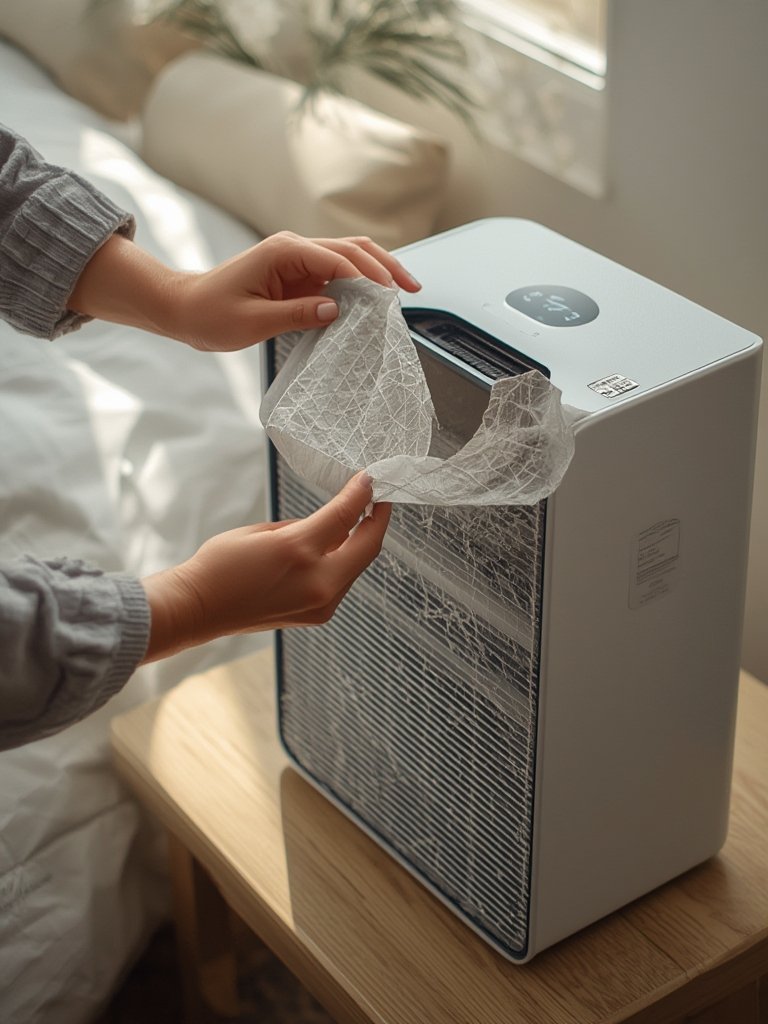
- High filter replacement cost and inconsistent filter availability.
- Noticeable noise at recommended higher fan speeds (especially at night or in smaller spaces).
- Disappointment with symptom reduction if expectations are for total relief—especially for settled allergens not addressed by filtration alone.
Data gap — verify: Independent review aggregation and complaint tracking for these issues remains thin—no comprehensive 2024 user-complaint data was identified in clinical research. It’s essential to review verified customer reports (such as those mentioned on retail sites, forums, or consumer organizations) before finalizing a purchase.
For a stepwise checklist and user-focused troubleshooting, see our buying guide.
Price, maintenance, and ongoing costs—research gaps and how to present realistic ranges
When budgeting for any air purifier for allergies, consider:
- Initial purchase cost (varies widely from portable units under $150 to premium models over $600).
- HEPA filter replacement—needed 1–3 times per year depending on usage/brand, with typical costs ranging $20–$100 per filter.
- Electricity usage—often minimal (as low as two light bulbs), but can add up with 24/7 use.
Data gap — verify: Up-to-date 2024–2025 price ranges, filter costs, and annual running expenses were not found in research. For actionable comparisons, source recent model and filter prices directly from trusted retailers or manufacturers. Our detailed HEPA buyers’ guide is regularly updated as new data becomes available.
Which models/brands do allergists and institutions recommend—criteria, not hype
Allergists, major clinics, and the AAFA recommend models with independent testing and certification—most notably the LG PuriCare 360, recognized as Asthma & Allergy Friendly® by multiple allergy authorities. Selection criteria that matter most:
- True HEPA with proven >99% allergen capture (not just “HEPA-like” or “HEPA-type”).
- Clean Air Delivery Rate (CADR) high enough for your intended room size.
- Certification for both allergen removal and low ozone output.
- Transparent manufacturer support and readily available filters.
- Institutional or medical society backing, not just reviews or paid influencer lists.
See the best air purifier for 2024 roundup for updated certified picks.
Regulatory and safety updates (ionic devices, ozone, labeling)—what changed and what to avoid
Since 2022, allergy and asthma groups have discouraged the use of ionic or ozone-generating purifiers. Ionizer-generated ozone can irritate or inflame respiratory airways even at low levels. While there have been no new major federal rules in the past two years, non-governmental certification organizations increasingly require proof of low ozone output (<2 parts per billion) and independent allergen particle removal before granting use of allergy-related labels. Always check for certification and avoid models that generate measurable ozone or focus heavily on “plasma,” “ion,” or “UV” features with minimal HEPA coverage.
Practical buying and usage checklist
- Match unit’s CADR to your room size (always size up if in doubt).
- Insist on true HEPA and Asthma & Allergy Friendly® or similar independent certification.
- Check ongoing filter replacement costs and schedules before buying—pick brands with affordable, easily sourced filters.
- Test noise level first if possible, or read verified user reviews for expected sound on highest healthy setting.
- Combine air purifier use with cleaning, vacuuming, bedding encasing, and humidity control for best results.
- If you have unpredictable exposures or commute in high-allergen areas, consider supplementing with a wearable purifier.
Backed by a 2024 systematic review, combining HEPA filtration with routine bedding/room cleaning produced the strongest improvement for allergic rhinitis.
Calls-to-action for the writer / research tasks before publishing
Prior to publishing this or any similar air purifier for allergies guide, confirm these research details:
- Collect current 2024–2025 price ranges and filter replacement costs for 6–8 leading HEPA models, including at least one certified Asthma & Allergy Friendly® device.
- Aggregate actual user review complaints about filter expense, replacement access, and noise for these models using verified sources—not just testimonials.
- Obtain updated CADR numbers and recommended room sizes per manufacturer specifications and certification tests.
- Check for any federal, state, or certification updates impacting safety, labeling, or new allergy warnings since this brief.
Data gap — verify: These up-to-date figures and complaints were not present in research but are crucial for prospective buyers. Assign a researcher or editor before finalizing for publication.
FAQ: Air Purifier for Allergies
Do all air purifiers help with allergies?
No. Only air purifiers with true HEPA filters and sufficient clean air delivery are proven to reduce airborne allergens and symptoms. Devices relying solely on ionization or UV-C are not backed by credible allergy research as of 2024.
Where should I place an air purifier for maximum allergy relief?
Place it near your head while sleeping (bedroom) and in the main living area. Avoid positioning it behind furniture. Always keep doors and windows mostly closed while in use.
How often should I change the filter in my air purifier?
Most HEPA filters last 6–12 months with typical use but follow the manufacturer’s guidance. Failing to change filters can reduce benefits and lead to mold or odor buildup.
Can air purifiers remove dust mite or pet dander from my bedding?
No. HEPA purifiers only remove particles suspended in the air. Regular washing, vacuuming, and encasing bedding are needed to tackle settled allergens.
What’s the difference between Asthma & Allergy Friendly and other certifications?
Asthma & Allergy Friendly® certifications require >90% removal of airborne allergens (like cat dander and dust mites) and strict ozone controls, whereas many marketing claims or generic HEPA labels may not meet these thresholds.