

Air purifier for pet hair is a search made by thousands of pragmatic pet owners every day—and for good reason. If you live with a dog or cat that sheds, you know how fur, dust, and odor quickly become part of daily life. In this guide, you’ll get clear, expert-backed advice for choosing, using, and maintaining an air purifier for pet hair that actually works over the long haul—no hype, no guesswork.
Key Takeaways
- True HEPA + pre-filter + activated carbon is the proven filtration stack for pet hair, dander, and odors.
- Filter clogging, frequent replacements, and noise are the biggest pain points—most can be avoided with smart choices and routines.
- Watch for ozone-free certification, CADR ratings ≈300+, and washable pre-filters to keep costs and irritants down in homes with pets.
- Quick reality check — should pet owners expect a neat statistic on intent?
- How air purifiers actually handle pet hair, dander, and odor (the tech stack)
- Advanced analysis & common pitfalls (with table)
- Bottom line recommendations & next steps
- Frequently asked questions
Quick reality check — should pet owners expect a neat statistic on intent?
If you’re wondering, “What percentage of pet owners in 2024 are actively searching for an air purifier for pet hair?”—there isn’t a credible, published number. Current public data only tracks broad categories like “pet-friendly air purifiers” or “pet owners as a segment,” not specifically those seeking shed-hair removal. However, pet-dedicated marketing and sales for air purifiers have grown rapidly, reflecting real consumer demand. According to Live Science and industry analyses, brands have shifted focus from generic allergy relief to pet hair and dander as primary selling points. There are now over 65 million dog-owning households in the U.S. alone, making this a massive and growing market. The takeaway: demand and dedicated product lines are real and rising, even if you won’t find a tidy 2024 percentage published anywhere.
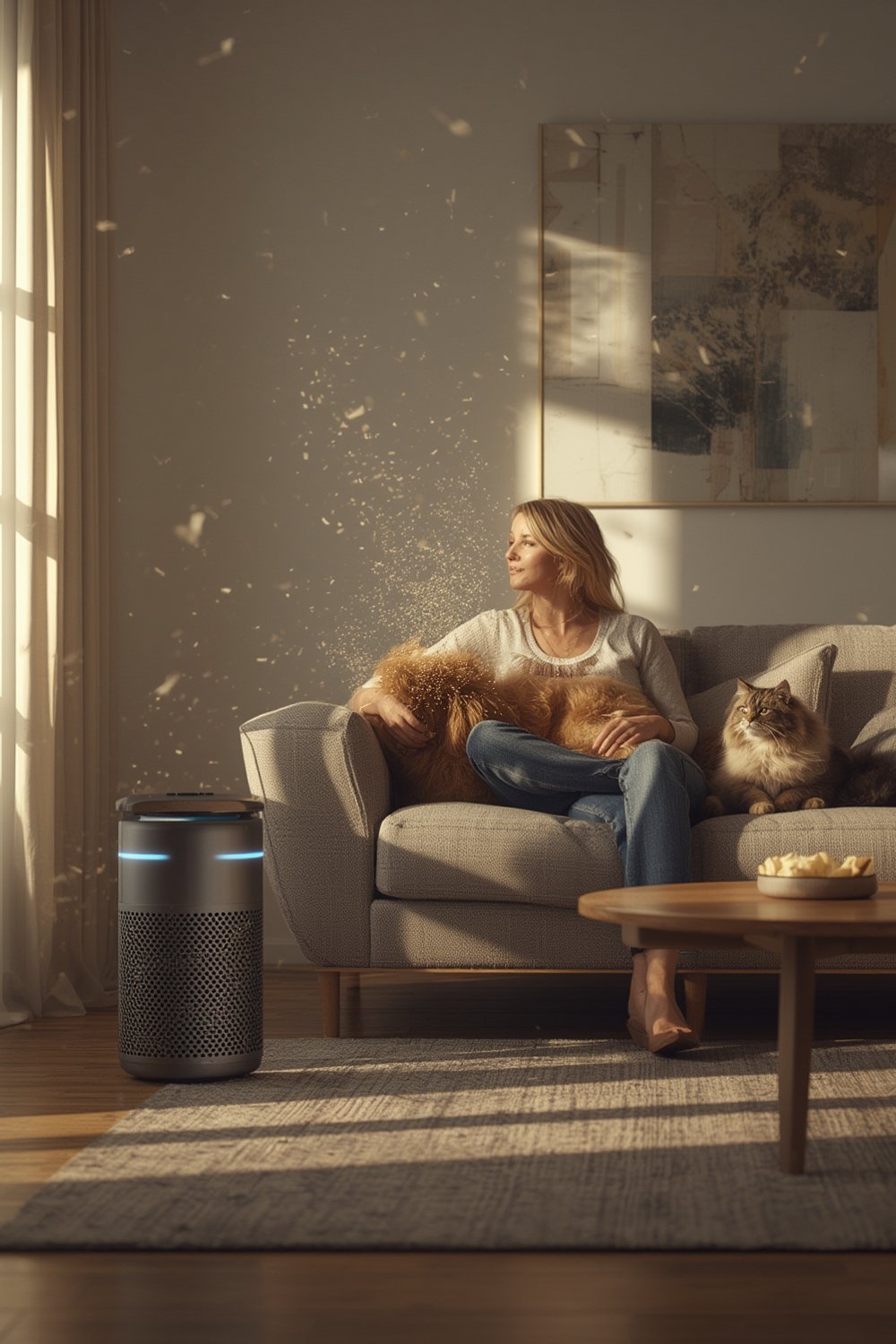
How air purifiers actually handle pet hair, dander, and odor (the tech stack)
Effective air purification for pet hair isn’t just about buying the highest-end device. It’s about choosing the right filtration stack—and using it properly—based on your room, pet type, and cleaning tolerance.
The best practice “stack” for homes with pets is:
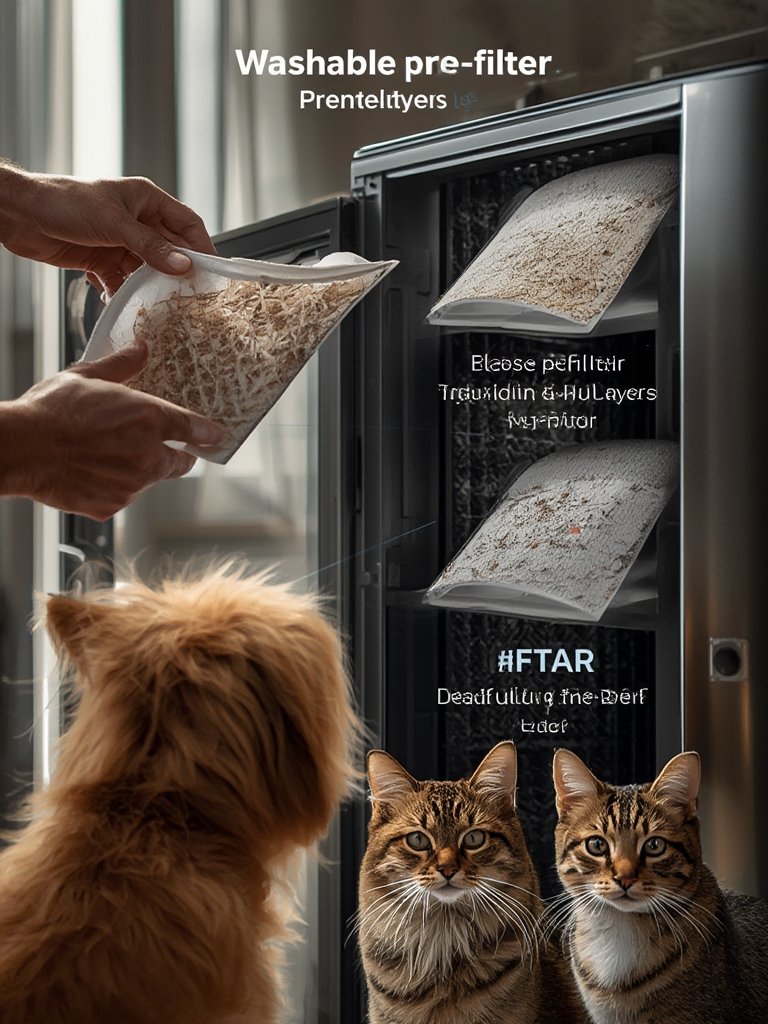
- 1. Pre-filter: Catches visible pet hair, fuzz, and large dust right at the intake. The more shedding, the more often you’ll clean this. Look for washable pre-filters if possible.
- 2. True HEPA filter: Traps 99.97% of finer particles down to 0.3 microns—perfect for pet dander (tiny, allergy-causing flakes from skin or fur).
- 3. Activated carbon: Neutralizes lingering pet odors, litter smells, and some VOCs. Litter box areas and dog beds especially benefit here.
Why this matters: Without a pre-filter, large fur clogs the HEPA filter fast—and you pay for more replacements. Without carbon, you’ll still smell pets even if your home looks hair-free. Lab specs are important, but real homes see faster hair buildup and more filter cleaning than test scenarios. See a more granular comparison in our dedicated guide for air purifier for pets.
The numbers you should actually check:
- CADR (Clean Air Delivery Rate): For most rooms, a CADR of around 300 or higher is recommended for pet dander and allergen control (see supporting research).
- HEPA Filter Grade: Must claim 99.97% efficiency at 0.3 microns (“True HEPA”). Don’t settle for “HEPA-type.”
- Pre-filter Design: Washable or vacuumable is a must for shed-prone pets.
- Carbon Content: More carbon means better odor removal—some brands cut corners here.
- Noise (dB) Ratings: Below 30-35 dB on low for bedrooms; check high speed noise for open-plan living spaces as some pets are sound-sensitive.
Need more hands-on details? Our full pet air purifier buying guide has checklists and pet-type examples.
Step-by-step setup and maintenance
- Unbox and inspect filters—some models ship with filters wrapped inside (remove plastic before use).
- Place the purifier away from corners, litter boxes, or beds, but not blocked by walls or furniture. Put it where fur tends to collect.
- Initial run: Start on high for a few hours, then switch to low/auto. This clears room air fast without spooking pets with prolonged noise.
- Maintenance schedule:
- Pre-filter: Vacuum/wash weekly (or more if hair load is extreme).
- HEPA & carbon check: Every 3 months, inspect for visible discoloration/odor—replace per manufacturer or sooner in multi-pet homes.
- Yearly plan: Budget for 2-3 HEPA and 3-4 carbon replacements in heavy-shedding homes; clean washable pre-filters 30+ times a year.
Don’t forget: Review our buying checklist before and after your first run to catch any red flags early.
For ongoing expense planning, see the “Real-world costs” breakdown in our 2024 air purifier guide.
Advanced analysis & common pitfalls (with table)
Even the best air purifier for pet hair can miss the mark—or become a money sink—if you skip a few critical details. Here’s what can go wrong, and how to spot or avoid it before it costs you comfort or cash:
| Issue | What Happens | How to Avoid or Fix |
|---|---|---|
| Pre-filter clogs & hair overload | Fur mats in the intake, airflow drops, HEPA wears out faster. | Vacuum exterior weekly, wash or swap pre-filter regularly; choose models with accessible, durable pre-filters. |
| HEPA filter wears out too fast | More frequent replacements, rising costs, reduced allergen control. | Stay diligent with pre-filter cleaning; size up your purifier to reduce load; monitor filter-change schedule. |
| Noisy operation at useful speeds | Disturbs light sleepers and sound-sensitive pets; may discourage nighttime use. | Check decibel claims for low + high; run initial cycle on high to clear air, then switch to “sleep/quiet” mode. |
| Unit too small for the room (low CADR) | Ineffective hair/dander removal, lingering odors, wasted money. | Match CADR to your square footage (≈300+ for typical living rooms); for open plans, consider multiple units. |
| Odor persists even with filtering | Activated carbon capacity is too low or filter is saturated. | Buy units with clearly stated, replaceable carbon filters (not just a “carbon layer”). Change carbon more often for smelly areas—especially litter boxes. |
| Ozone or ionizer risks | Ozone can irritate pet (and human) airways; some devices marketed as “fresh air” generate unsafe byproducts. | Seek “ozone-free” or “no ionizer” purifiers—expert sources warn against ozone-generating models for homes with pets. |
| Pet stress or accidents from unit | Paws tip over purifier, pets chew cords, sudden noise startles animals. | Secure placement in low-traffic areas, pick models with stable bases, monitor animal reactions, and cover/route cords safely. |
Some common expectations to correct:
- You don’t need a “dog-specific” or “cat-specific” model—the same core stack (pre-filter, HEPA, carbon) matters most. Species differences matter more for maintenance and placement (e.g. coarse dog hair clogs faster; cat litter odors require more carbon).
- There’s no pet hair certification yet—stick to True HEPA and trusted CADR numbers. Avoid buzzwords like “HEPA-like” or “pet mode” without real specs.
- Replacement filters are a recurring cost—budget accordingly. Heavy-shedding? Plan for frequent swaps or washable filters. For more budgeting help, see our air purifier for home guide.
Bottom line recommendations & next steps
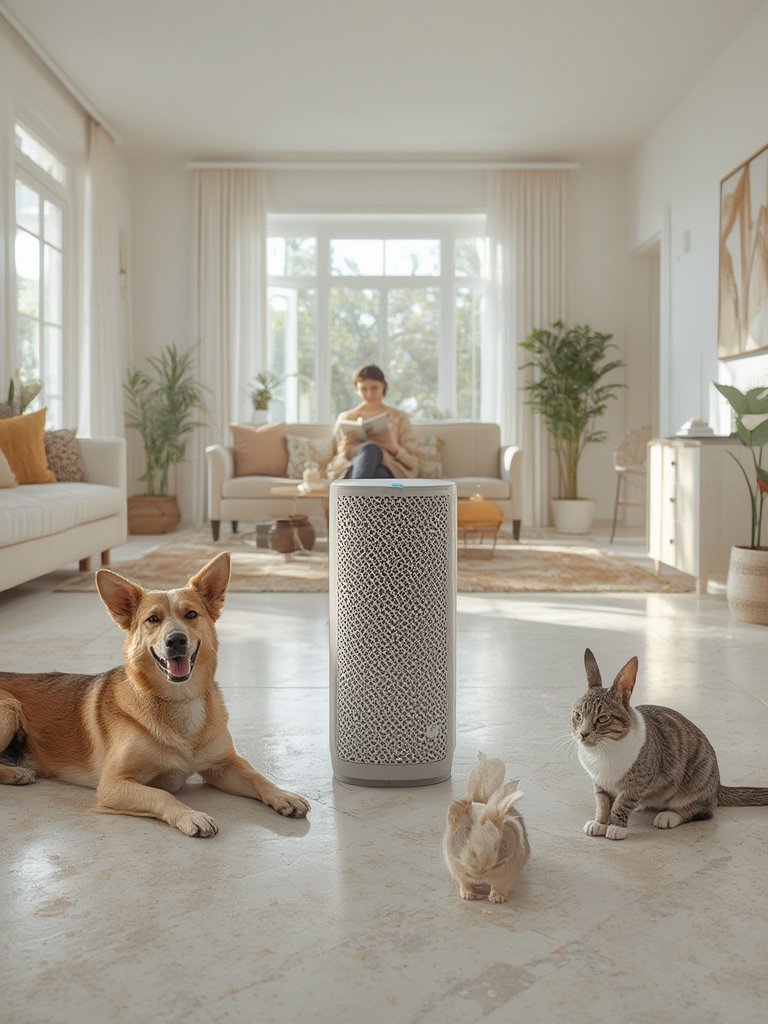
True success with an air purifier for pet hair isn’t about chasing the fanciest features—it’s about dialing in the basics, sticking to a practical maintenance plan, and buying for your real-world space and pets. The must-have list for pet households:
- True HEPA filter (99.97% / 0.3 microns)
- Washable or easily replaced pre-filter
- CADR matched to (or above) your living area—aim for 300+ for family rooms
- Sufficient activated carbon for real odor control
- Quiet operation below 35 dB on low
- Verified ozone-free / non-ionizing operation
Measure your main gathering room. Check replacement filter prices before buying. Schedule reminders to clean pre-filters and swap out HEPA/carbon promptly. If you have an open layout or multi-floor home, consider more than one smaller purifier rather than one oversized unit. For more granular recommendations by pet type, see our guide to air purifier for pet dander.
Ready to breathe (and clean) easier? Start with a model that hits these real-world criteria, and stop dreading the next shed cycle. Your nose—and your pets—will thank you.
Frequently asked questions
Does a HEPA air purifier remove visible pet hair from floors and furniture?
No, air purifiers are not vacuums. They only remove airborne fur and dander passing through the intake. Regular vacuuming is still required to keep floors and upholstery free of hair.
Should I run my air purifier 24/7 in a home with heavy-shedding pets?
Yes, for best results and consistent allergen/odor control, but be aware this may increase filter replacement frequency and energy use. Use “auto” or low modes overnight for quieter operation.
Are ionizers or ozone-generating purifiers safe for pets?
No. Most veterinary and indoor air quality experts strongly advise against ozone or ionizer units for homes with pets, due to respiratory risks. Always opt for ozone-free, True HEPA models for safety.
How do I know when to replace my HEPA or carbon filter?
Follow the manufacturer’s timeline, but check filters monthly in pet households. Visible dirt, darkening, decreased airflow, or lingering odors mean it’s time to swap. Change more often with multiple or heavy-shedding animals.
Is there a difference between air purifier performance for cat vs dog hair?
Core filtration (HEPA + pre-filter + carbon) applies to both. What changes is how quickly hair clogs the filter—dogs with long, coarse fur may overload pre-filters faster, while cat dander and odors may call for extra carbon filtration.