

Biophilic design isn’t just an interior trend—it’s a research-backed way for homeowners and renters to measurably improve their wellbeing using nature-inspired elements indoors. Scientific studies from 2022 to today show real, not just aesthetic, gains in mood, stress recovery, and comfort from biophilic features like daylight, indoor plants, and living walls. This guide translates the latest evidence into clear, stepwise strategies anyone can use—even on a budget or in a rental.
Key Takeaways
- Even small increases in biophilic design—indoor plants, daylight, and natural finishes—produce real, measured benefits for stress, focus, and mood at home.
- Maintenance, budget, light, and space are the most common obstacles; choosing smart species, modular systems, and digital “nature” workarounds makes wellness design achievable for most homes.
- A multi-layer approach (combining plants, daylight, and materials) delivers far stronger results than a single decorative tweak; phased upgrades maximize realism and ROI.
- What is biophilic design — and does it really improve home wellbeing?
- Step-by-Step: Turning Research Into Wellness at Home
- Advanced Analysis: Pitfalls, Costs, and Smart Solutions
- Conclusion
- FAQs
What is biophilic design — and does it really improve home wellbeing?
Biophilic design is much more than adding a plant or two. It means intentionally weaving direct (like sunlight, greenery, water), indirect (natural materials, organic forms), and “nature-of-space” (refuge, view, sensory richness) elements into the places you live. Unlike basic nature-inspired interiors focused on style, biophilic design’s purpose is measurable: enabling physiological and psychological gains supported by science.
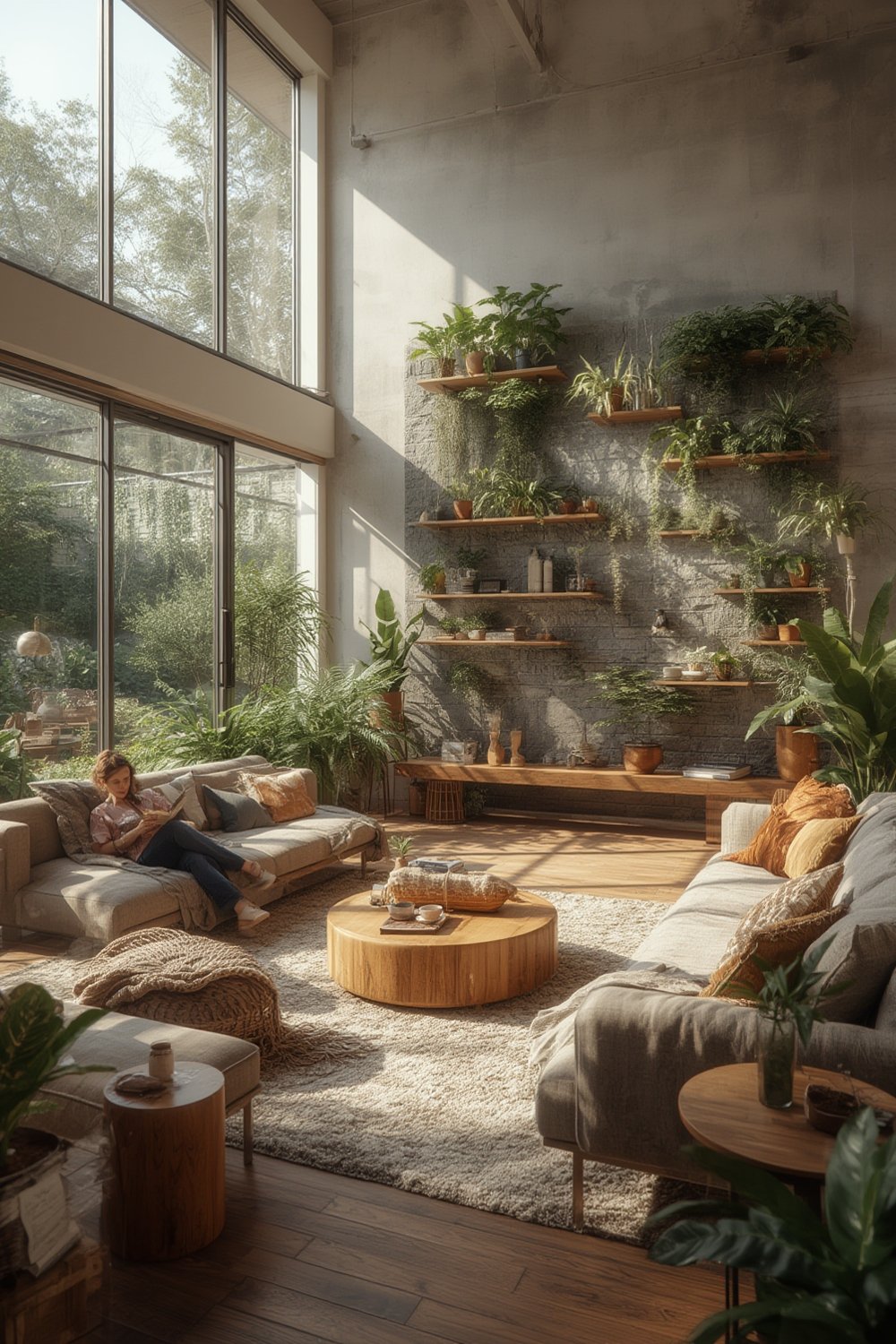
Recent studies shine a light on how biophilic design works. A 2024 experiment with 255 people showed that the more biophilic “levels” added to an interior, the greater the improvements for stress recovery, mental focus, and inspiration—culminating in the highest wellbeing gains at the most nature-rich level [study link]. Similarly, a 2025 virtual reality study using a full-scale home found participants had sharply greater stress reduction (lower skin conductance) in the biophilic room versus a “normal” one [source].
In short, the evidence is in: biophilic design delivers—when done deliberately and in the right doses.
Step-by-Step: Turning Research Into Wellness at Home
Whether you own or rent, have abundant daylight or a single windowless room, nearly every home can benefit from strategic biophilic upgrades. Here’s a practical roadmap based on the latest studies, distilled for the average budget and lifestyle.
- Start with a home audit. Walk your rooms at different times of day. Note your true daylight access, existing plants (if any), window orientation, and areas you actually spend time. List obstacles: rental rules, allergies, kids, pets, forgetfulness.
- Tackle low-cost, high-impact wins first:
- Place potted, low-care indoor plants (such as snake plant, pothos, ZZ plant) near available light sources—or use plant stands to maximize what you do have.
- Amplify existing daylight by using light-colored, matte or satin finishes, and mirrors opposite windows. For shadowy corners, supplement with full-spectrum LED bulbs.
- For windowless or low-light spaces, install a “biophilic illusion” (digital window, large wall print) for proven mood and connectedness gains [evidence].
- Layer in plant-rich elements:
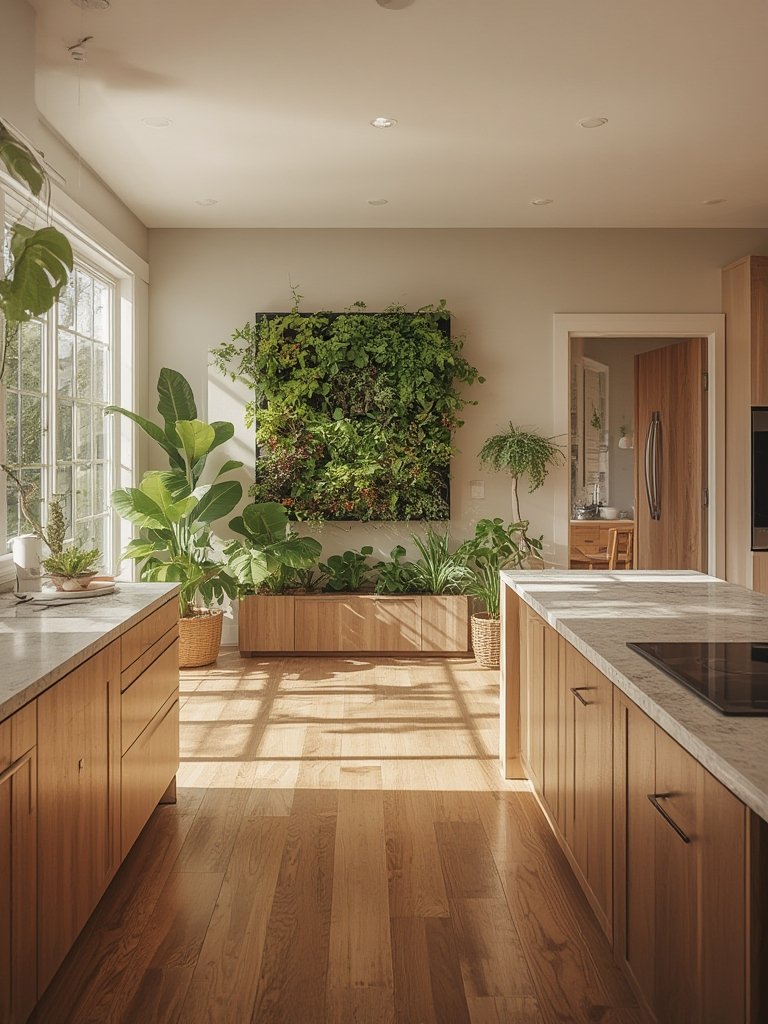
- If you have good daylight and wall space, consider a vertical modular living wall, but start with a simple pocket organizer or “plant shelf” arrangement first to learn your maintenance habits.
- In colder climates or north-facing homes, boost greenery near entryways, bathrooms, or kitchens using shade-tolerant species. Self-watering pots and moisture sensors make upkeep far easier.
- Upgrade materials for organic modernism (without regret):
- Use engineered wood flooring, sealed stone, or textured finishes for warmth and “hugged by nature” appeal—these preserve the look of solid wood or raw stone but cost and wear less. Consider natural fiber rugs and linen drapes for tactile comfort.
- Plan for larger interventions—phased is smart:
- If you own, balance cost and comfort when sizing new windows, daylight tubes, or even a small skylight; factor in possible glare, overheating, and privacy. Add light shelves or deep sills to direct daylight deeper into rooms.
- Only consider a full-size living wall if you can commit to a service contract or have hands-on experience keeping plants alive elsewhere in your home.
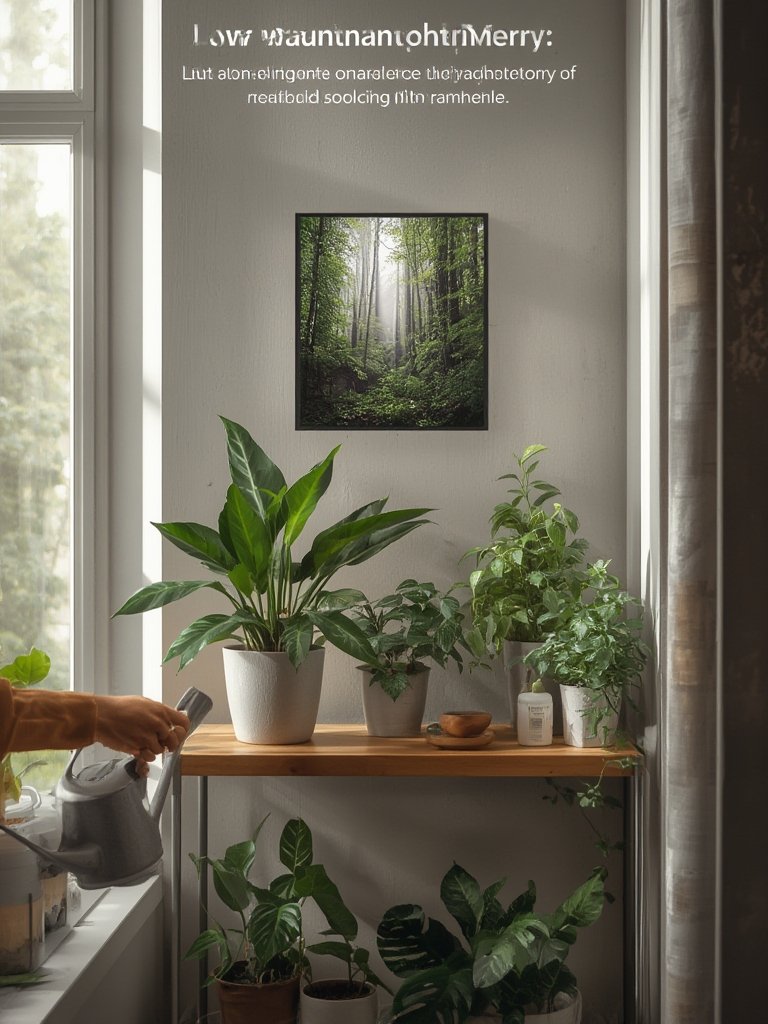
- Group and rotate plants for humidity control and visual layering:
- Cluster 2-5 plants together for a stronger impact. Grouping reduces leaf drying and water needs. Place near seating or desks for biggest benefits.
- Rotate plant locations every few months to balance light exposure and refresh the space.
- Stay realistic on maintenance—and automate where possible:
- Choose low-care plants, set phone watering reminders, and invest in simple self-watering pots—homeowner reports confirm these outlast fussy species and schedules.
- If going for living walls, budget for pro maintenance every 1-3 months. Monthly contracts are now standard, with routine irrigation and plant replacement service. Skipping check-ins is the #1 reason systems fail, per post-occupancy surveys.
- Understand and plan for technical limits:
- Check site orientation, structure (for heavy planters or wall installations), and local climate. For deep, shaded, or urban homes, maximize the use of digital nature, grow lights, or mobile plant stands over built-in solutions.
- Review allergy and moisture implications before adding more greenery—stick to hypoallergenic species and invest in basic waterproofing or moisture sensors near living walls.
For those also considering broader home upgrades, see our ADU construction and screened-in porch guides for complementary wellness design strategies. For natural light retrofits, pairing with home solar panels can offset increased energy use from added glazing or grow lights.
Advanced Analysis: Pitfalls, Costs, and Smart Solutions
Real-world implementation has hurdles. Here’s what to know—and how to protect your investment and wellbeing.
Common Pitfalls Homeowners Face
| Obstacle | Cause | Best Fix |
|---|---|---|
| Plant mortality | Poor light, over/underwatering, unsuitable species | Use NASA-approved low-maintenance species, self-watering pots, and simplify with reminders |
| Living wall failure | Clogged irrigation, poor waterproofing, neglect | Demand pro warranty/maintenance; check for secondary drains and easy plant replacement panels |
| Humidity, mold, and mess | High plant density, poor ventilation, faulty waterproofing | Limit density; monitor humidity; upgrade exhaust or vent near walls; regular cleaning routine |
| Unexpected energy costs | Grow lights and mechanical irrigation running too long | Pair with solar panels; use only as needed; monitor app-based usage and timers |
| Budget overrun | Scope creep, high-maintenance materials, underestimated pro servicing | Set a cost band: plants & paint ($); large planters ($$); living walls + glazing ($$$); always get quotes for pro installs |
| Allergy/health issues | Wrong plant selection, poor air circulation | Choose hypoallergenic varieties; test with one species before adding more; improve ventilation |
Cost Bands and ROI
Low: $ — Potted plants, reflective surfaces, wall art, digital illusions
Medium: $$ — Multiple specimen plants, quality planters, limited light upgrades
High: $$$ — Living wall (2–4 m²), structural glazing, skylights; ongoing monthly or quarterly pro maintenance is required
Expect living walls to come with recurring costs for service contracts, plant replacement, and utility use. For most, starting with modular systems (easy to swap, fix, and remove) rather than permanent custom walls is a safer bet.
Tradeoffs and Technical Red Flags
- High-latitude and North-facing homes need supplemental light for healthy plants—factor in energy impact, or stick with digital or shade-loving options.
- Walls must support the weight of a saturated living wall; never assume a standard partition can handle it—get a contractor load estimate first.
- Large increases in daylight/glazing can mean more heat gain, glare, or privacy loss; design for shading and screening from the start.
What Articles Rarely Tell You
- “How much is enough?” Research confirms that adding more types of biophilic input—rather than just more plants—delivers the biggest benefit. Aim for 2-3 elements (plants, daylight, natural materials) in rooms where wellbeing matters most.
- Long-term maintenance and failure rates: Most living walls eventually require intervention. Plan budgets and contracts accordingly, and prefer modular or easily repairable systems.
- Context matters: For renters or extreme climates, mixing digital/illusory nature and robust low-care plants beats chasing high-maintenance “looks.”
Get more smart maintenance tips in our small screened-in porch resource and learn about lifecycle investment by comparing with ADUs or renewable upgrades.
Conclusion
The science is clear: a thoughtful approach to biophilic design can produce measurable wellness benefits for almost every home—even if you’re time-pressed or renting. Prioritize light, durable plants, and organic materials in the spaces you use most. Always start small, automate what you can, and phase in layers of biophilia over time for the highest ROI and sustainability. With the right checklist, Biophilic design delivers more than just a pretty room—it’s a real boost for your everyday wellbeing.
Ready to start your own transformation? Take a 30-day audit, add one new plant or digital nature element per room, and see the impact for yourself. For even more home improvement inspiration, check out our ADU construction and solar panels guides.
FAQs
How do I choose the right indoor plants for low-light areas?
Stick with low-maintenance, shade-tolerant varieties like snake plant, ZZ plant, or pothos. These thrive in low light and need minimal watering—perfect for busy or forgetful owners.
Are living walls worth it in a regular-sized home?
Living walls look great and boost wellbeing if well-maintained, but they require upfront investment and regular pro servicing. For most, modular systems or clusters of planters deliver nearly as much benefit at lower cost and risk.
Do biophilic “illusions” (digital windows) really work?
Yes—recent research proves digital nature (projections, screens) measurably improves mood and stress recovery, especially in rooms without real daylight or views.
What’s the biggest mistake to avoid in biophilic home design?
Going “all-in” with high-maintenance features (like living walls or delicate stone) without a realistic plan for upkeep or structural limitations. Always phase in and test each feature before scaling up.
Can indoor plants actually improve air quality?
Plants can improve air and humidity, but you’d need a jungle to clean all toxins. Think of biophilic plants as a wellness boost—not a replacement for good ventilation or filtration.