

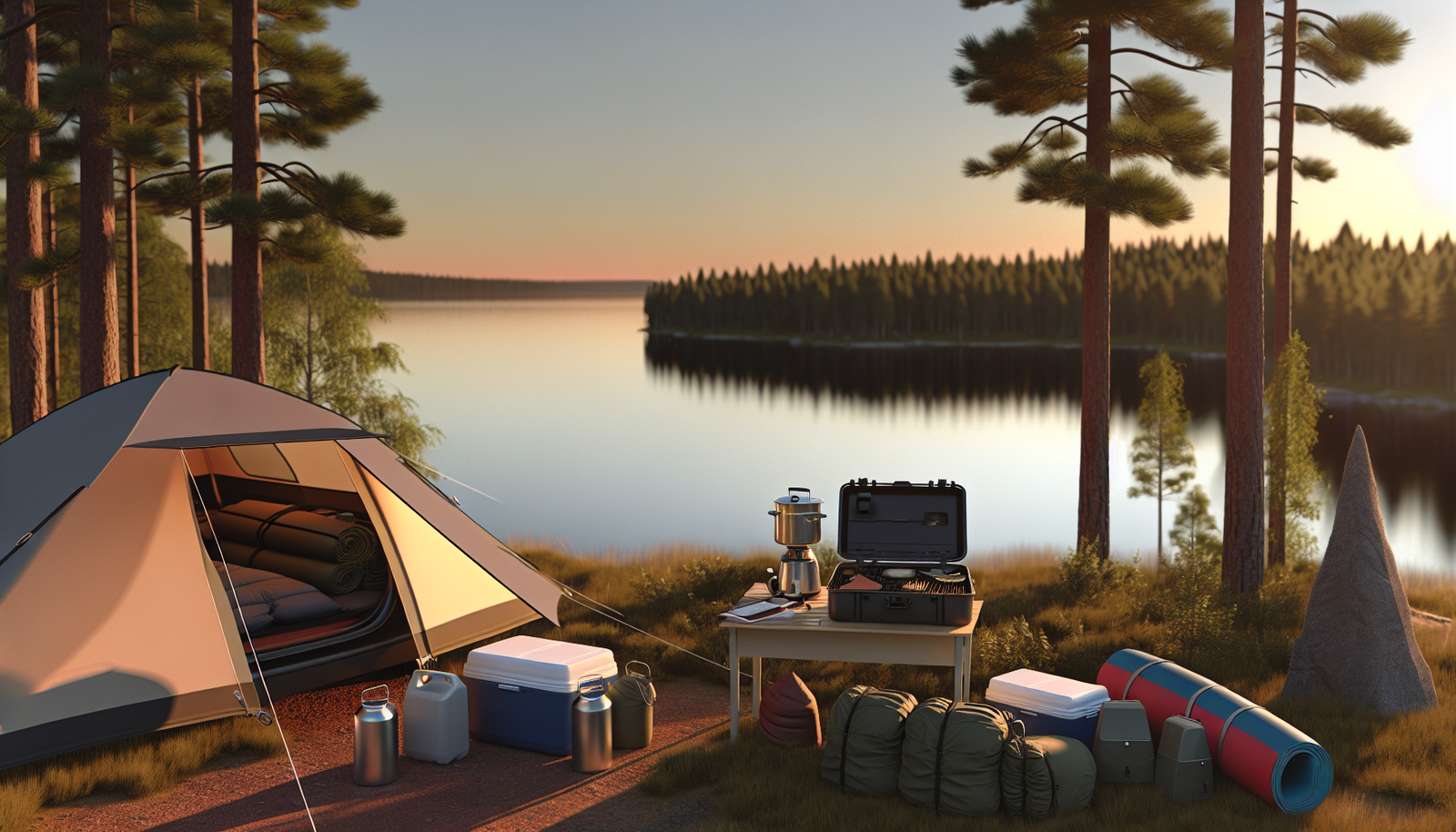
Whether you’re heading into the backcountry or setting up a weekend car campsite, packing the right essentials makes the trip safe and comfortable. This guide walks through planning priorities, shelter and sleep systems, cooking and hydration, clothing and personal items, and specific car camping gear and packing strategies. Each section provides researched, practical advice to help you assemble a complete camping essentials list.
Planning Priorities and Trip Assessment
Effective planning is the cornerstone of a safe and enjoyable camping trip, no matter your destination or experience level. Key factors—including trip type, length, group size, season, weather patterns, and local rules—directly impact every gear decision you make. Car camping, which allows you to store supplies in or near a vehicle, lets comfort and convenience take priority: bulky chairs, fresh coolers, or luxury bedding are easy additions. In contrast, backpacking and backcountry trips require a careful balance between necessity and pack weight, with every item evaluated for both function and mass.
- Car Camping: Basecamp is accessible by vehicle; permits extra amenities and heavier gear.
- Backcountry/Backpacking: All equipment carried on foot; strict limits on weight and volume; emphasizes minimalism and multipurpose items.
- Dispersed Camping: Done outside formal campsites; may have no facilities; requires self-sufficiency and adherence to Leave No Trace principles.
- RV Camping: Involves recreational vehicles; typically includes built-in shelter and cooking equipment; often requires site reservations and knowledge of hookup services.
Safety and legal preparedness should always be checked:
- Obtain and carry required permits
- Confirm fire regulations and current restrictions
- Book campsites in advance if needed
- Follow site etiquette: quiet hours, designated spaces, and waste disposal
- Be aware of local wildlife protocols (e.g., bear-safe food storage)
- Prepare a basic emergency plan and share your itinerary
Decision rules for identifying your checklist: Assess the number of people, forecasted weather (temperature, precipitation, wind), trip duration, and physical limits. Two people car camping for a weekend need food, shelter, clothing, and extra comfort items. For multi-day backpacking, essentials must be lightweight and multi-use.
Prioritized Trip Packing Checklist:
- Minimum Essentials:
- Shelter (tent or alternative), sleeping bag, sleeping pad
- Weather-appropriate clothing (layers, rain protection)
- Water supply or filter, food for all meals
- Cooking gear, lighter/matches
- Headlamp/flashlight and batteries
- First aid kit
- Navigation tools (map and compass or GPS)
- Recommended:
- Camp chairs, table (car camping)
- Personal hygiene supplies
- Multi-tool or knife
- Bug spray, sunscreen
- Trash bags (Leave No Trace)
- Comfort/Optional:
- Pillows, extra blankets
- Portable power bank
- Games, books
- Cooler with ice (car camping)
All shelter and sleep system choices hinge on these planning factors. Up next, we’ll explore how to match tents, sleeping gear, and campsite setup to your specific situation, ensuring restful nights wherever your adventure leads.
Shelter and Sleep Systems
Shelter and sleep systems are the backbone of camping comfort and safety, varying greatly by trip type, anticipated weather, and group size.
- Tent Types and Seasonality: Tents are classified by seasonality: 2-season tents suit fair, warm-weather camping; 3-season models withstand moderate wind, rain, and light early spring/late autumn conditions; while 4-season tents employ sturdy poles and less mesh for snow load and wind resistance, crucial for winter or exposed sites. Freestanding tents pitch with their own pole system, simplifying setup and site selection, especially on rocky ground, while non-freestanding alternatives rely on tension and require staked guylines. Double-wall tents provide inner mesh for condensation management and a rainfly; single-wall models save weight but can be stuffier in humid weather. A footprint prolongs tent life, protecting floors from abrasion. Capacity, measured as the maximal tight fit of sleeping pads, often runs snug; size up for gear storage or elbow room. For wet conditions, look for sealed seams and high hydrostatic head waterproof ratings.
- Alternative Shelters: Tarps, with modular pitching, offer ultralight flexibility but less insect protection. Hammock setups, paired with bug nets and underquilts, excel in forested, non-desert car camping locales. For car camping, utilizing your vehicle—via fold-down seats, rooftop tents, or mattress platforms—delivers security and weather protection, especially at developed sites.
- Sleeping Bags and Quilts: Choose bags or quilts by temperature rating—select one rated at least 5–10°C colder than forecast lows, and consider EN13537/ISO 23537 standard ratings where available. Down insulation packs smaller with high warmth-to-weight, while synthetics perform when wet and offer lower cost. Avoid long-term compression to maintain loft; air bags out in camp. Quilts save weight, suited for those who sleep warm or with pads offering high R-values.
- Sleeping Pads and Insulation: Closed-cell foam pads offer reliability and basic insulation; inflatable pads prioritize comfort; self-inflating types balance both. R-value (thermal resistance) is vital—2–3 suffices for summer, 3–5 for shoulder seasons, 5+ for winter or cold sleepers. Stacking foam under air pads boosts insulation and puncture protection.
- Car Camping Advantages: Larger, taller tents with spacious vestibules enhance movement and gear storage. Air mattresses or thick foam/cotton pads provide home-like comfort. Cots and foldable bed frames are feasible in roomy tents. Maximize ventilation by partially unzipping rainflies and orienting doors away from wind. Store gear off tent walls to avoid moisture contact, and always dry shelters thoroughly before packing.
- Procedural Checklists:
- Campsite Selection: Find flat, elevated ground, shielded from prevailing wind; ensure water drains away from tent site. Avoid low spots that flood in rain.
- Pitching Tips: Lay out footprint first; tension fly for runoff; stake out guy lines at proper angles; reinforce in wind. For car camping, test gear fitment before departure and practice a dry run setup if tent is new.
- Sleep System Care: Air out sleeping bags after use, gently wash and dry thoroughly before storage, and store loose or in large sacks to preserve loft.
- Buying Guidance: Minimalists favor compact single-wall tents or tarps, sub-1kg down quilts, and foam pads. A balanced approach adds a 3-season, freestanding tent, quality synthetic bag, and inflatable pad. Luxury car campers maximize with cabin tents, queen air mattresses, and extendable cots—consider rainfly roll-up designs for stargazing and integrated gear lofts or organizers for convenience.
Cooking Hydration and Food Storage
Cooking systems for camping include single-burner and multi-burner canister stoves, liquid fuel stoves, wood stoves, and open-fire cooking. Canister stoves are lightweight and user-friendly, best for quick meals or solo/duo use, but performance decreases in extreme cold. Multi-burners excel for car camping and group cooking, providing the capacity to prepare multiple dishes. Liquid fuel stoves deliver reliable performance in cold or high-altitude environments and are preferred for international travel due to wide fuel compatibility (white gas, gasoline, kerosene), but require periodic maintenance and careful fueling. Wood stoves and open fires offer ambiance and are suitable where permitted, though fire bans, variable heat, and leave-no-trace rules often restrict their utility. Always cook outside tents, clear flammable debris, and store fuel away from heat and food areas for safety.
Cookware should be durable and nestable for easy packing. Aluminum is lightweight and cost-effective; stainless steel handles rough use but weighs more; titanium is ultralight but pricey. Group sizes dictate pot capacity: 1.5–2L for 2, 3L+ for 4+. Include utensils—spatula, spoon, sharp knife, mug, and bowls. Prioritize a separate cutting board and sealed food containers. Practice diligent cleaning: wash with biodegradable soap 200+ feet from any water source, strain food scraps, and pack out waste for food safety.
Meal planning blends shelf-stable staples (rice, pasta, oats), dehydrated meals, and pre-prepared or fresh ingredients. Car camping allows use of coolers with block/loose ice or plug-in fridge units for safe storage of perishables—monitor with a thermometer, keep meat at the bottom, and reserve ice replenishment on longer trips. Sample meal plan for two, 3 days:
- Breakfast: oatmeal with nuts (2 days), eggs & tortillas (1 day)
- Lunch: bagels & cream cheese, tuna wraps, trail mix
- Dinner: pasta & sauce, chili with cornbread, dehydrated curry & rice
- Snacks: fruit, jerky, granola bars
Water sourcing and treatment are critical. Always identify upstream sources with minimal contamination.
- Boiling: reliable and effective (1 minute, 3 at altitude), but needs fuel and time.
- Filtration: pump or gravity filters remove protozoa/bacteria; flow rate varies (up to 1L/min); most don’t remove viruses.
- Chemical: iodine/chlorine tablets—compact but taste-affected, 30 min-4 hr to treat, may not eliminate protozoa cysts effectively.
- UV purification: effective for clear water; quick (1 min/L); requires battery; doesn’t remove particulates.
Always store purified water in clean, dedicated containers and disinfect regularly.
Protect food from wildlife: In bear country, legal use of bear canisters or food lockers is often required. Canisters are secure containers approved in US/Canada parks; hang methods (counterbalance, PCT method) must elevate food 10–15 feet above ground and 4+ feet from trunks. Store all scented items (toothpaste, trash) with food, and cook away from sleeping areas.
Waste management: Pack out all trash and food scraps. Strain and scatter greywater at least 200 feet from water. Use minimal soap, avoid contaminating water bodies, and pack out greasy residues.
- Compact car-camping cooking kit: 2-burner stove, fuel canisters, lighter, 2L pot, frying pan, spatula, serving spoon, knife, cutting board, plates, bowls, utensils, dish soap, wash basin, quick-dry towel, bear canister or food bag.
- Water-treatment kit: 2 water bottles (1L), gravity filter or pump, chemical tablets, backup lighter, clean water bag, brush for cleaning bottles.
- 3-day food list (2 people): 1 box oats, nuts/raisins, 3 bagels, small cream cheese, 2 cans tuna, tortillas, instant soup, pasta, jar sauce, dehydrated curry, rice, apples, 6 energy bars, jerky pack, coffee/tea bags.
Clothing Footwear and Personal Items
Clothing, footwear, and personal items are crucial to comfort and safety on any camping trip. The layering system is foundational: use a base layer that wicks moisture away from your skin to stay dry, typically made from merino wool or synthetic fibers; merino regulates temperature and resists odor but can be delicate, while synthetics dry fastest and are durable. The mid layer insulates—fleece and synthetic fills stay warm even when wet, while down is lighter and packs smaller but loses insulation if soaked. For the outer layer, a waterproof, breathable shell protects from wind and rain. Choose high-denier nylon or Gore-Tex jackets for durability and sustained rain protection, but remember that lighter shells are easier to pack for non-technical use.
Adapt layering to match both temperature and activity: if hiking uphill, shed a mid layer early to prevent overheating and excessive sweating. Start warm but remove layers proactively to keep sweat at bay, and add them back on breaks to avoid chilling. Always keep a dry backup base layer in case of unexpected soaking.
For footwear, the choice between hiking boots and trail runners depends on terrain and load. Boots provide ankle support and water resistance, better for rocky paths and carrying heavy packs; trail runners are lighter, breathe better, but offer less protection. Always bring comfortable camp shoes for resting feet at the end of day. Pair with moisture-wicking socks—merino or synthetic blends—to minimize blister risk, and carry tape or pads for instant treatment. Dry footwear thoroughly overnight and keep shoes away from the fire to prevent heat damage.
Guard against rain and sun by packing a reliable rain jacket, rain pants, broad-brimmed sunhat, sunshirt, quality sunscreen, and an insect repellent. For buggy seasons, consider permethrin-treated clothing and a head net.
Key personal and safety items include a headlamp with spare batteries, a multi-tool, maps with compass or GPS, and a first aid kit with bandages, moleskin, antiseptics, pain relievers, and treatments for blisters and minor burns. Always have essential medications, hygiene items (toothbrush, biodegradable soap, toilet paper, hand sanitizer), and copies of ID and insurance documents in a waterproof pouch.
For car-camping comfort, consider a collapsible camp chair, travel pillow or compressible pillow, ambient lighting (lanterns or string lights), and a designated shoe basket for easy access.
Organize clothing using packing cubes or dry bags to keep layers sorted and dry. Stuff sacks and color-coding help quickly find key items even in low light or when unpacking in a hurry. Place today’s clothing at the top of your duffel, saving time and avoiding dampness. Up next: optimizing your car for efficient, secure, and comfortable camping with vehicle-specific gear and organization.
Car Camping Essentials and Efficient Packing Strategy
Car camping allows you to bring more gear and maximize comfort, but demands thoughtful preparation for a smooth and safe experience. Vehicle preparation should begin with a maintenance checklist: check tire pressure (including the spare), oil and fluid levels, lights, and wipers. Add roof racks or hitch systems to expand storage capacity for bulky items. Consider awnings for shaded lounging, rooftop tents for elevated sleeping, or vehicle screens. Always choose campsites that allow vehicle access without damaging terrain—stick to designated areas to avoid harming fragile ground.
Power and lighting are critical. Portable battery packs and solar panels keep devices and camp lights charged off-grid, but use only appropriately rated inverters for 12V systems and avoid overloading circuits to prevent vehicle battery drain. A 12V fridge preserves food longer than ice chests and runs efficiently when used with dual-battery setups; routinely check voltage and never deep-discharge your starter battery. Rely on headlamps or lanterns for lighting inside and outside the vehicle for safety.
Organization makes car camping efficient and secure. Use color-coded packing cubes and storage bins: place high-use and first-night items (like headlamps, snacks, and rain gear) nearest to accessible doorways. Heavy items go low and central, lighter gear on top. Plan a trunk layout for rapid unloading. Keep valuables out of sight to deter theft—lock the vehicle when leaving camp.
Extend comfort and shelter with freestanding awnings and screen rooms, or connectors between the car and tents. When sleeping inside a vehicle, prioritize airflow with rain guards or window screens and use absorbent mats to manage condensation. Cracking windows safely (and discreetly) reduces moisture and stale air buildup.
Safety and recovery gear is non-negotiable for remote locations: stash jumper cables, a tire repair kit, 12V air compressor, recovery straps, a shovel (for sand or snow), and a compact tool kit. Each supports self-sufficiency—flat tires or dead batteries far from help can become serious hazards if unaddressed.
Leave No Trace is especially crucial with car-centric impact. Always park on durable surfaces, never crush vegetation, and pack out all trash, wastewater, and gear. Limit camp sprawl to reduce your footprint on the ecosystem.
- Compact Car-Camping Essentials (Weekend):
- Vehicle maintenance kit (jumper cables, tire kit, tools)
- Sleeping pad/bag, pillow or inflatable cushion
- Camp stove, fuel, cookware, food, water
- Lighting (headlamp, lantern), batteries
- Organization bins, trash bags
- Basic first aid kit, navigation tools
- Personal clothing (as per prior chapter)
- Full Comfort-Oriented Car Camping Gear (Extended):
- Roof rack or hitch storage, awning or screen room
- Rooftop/vehicle tent, window rain guards
- 12V fridge/cooler, solar panel/portable power station
- Packing cubes, lidded bins (shelter, kitchen, tools, clothing, food)
- Recovery gear: tire kit, compressor, shovel, straps, work gloves
- Extra water containers, washbasin, camp chairs, table
- Emergency beacon/PLB, fire extinguisher
Packing order tip: Load heavy and seldom-used items (spare tools, bulk food) first, mid-use bins next, and top-access items (lighting, clothes, first aid) last. Plan for rain—keep waterproof bags handy.
To adapt earlier shelter, cooking, clothing, and planning advice, scale up key systems for car capacity—add luxury bedding, more elaborate meals, and organized zones for clothing and kitchen. Pre-departure quick checklist:
- Vehicle fluids, tires, and battery checked
- Essential gear and safety tools stowed
- Power and lights charged
- Navigation devices updated
- Clothes packed for forecast conditions
Conclusions
Good planning and the right kit turn a camping trip into a safe, comfortable adventure. Prioritize shelter, sleep, cooking, clothing, and vehicle-specific gear, adapt choices to conditions and trip length, and follow Leave No Trace. Use the provided checklists and packing strategy to prepare efficiently, reduce risk, and enjoy clearer, more relaxed camping whether you car camp or head into the backcountry.