
Pet shops are very good at selling new dog owners things they don’t need. The first week with a new dog is expensive enough already: adoption or breeder fees, a vet check, vaccinations and probably a few chewed shoes. This checklist splits the shopping into what you need on day one, what can wait a few weeks, and what most dogs never use, with rough budget prices so you can plan.
Day one: the essentials
| Item | Why | Budget guide |
|---|---|---|
| Collar with ID tag | Legally required in many places; your phone number on the tag is the fastest way home | $10–$20 |
| Leash (1.2–1.8 m / 4–6 ft) | A plain fixed leash gives you control and helps training | $10–$20 |
| Harness | Better than a collar for pullers and small or flat-faced breeds | $20–$35 |
| Food the dog already eats | Sudden food changes cause upset stomachs; switch gradually over 7–10 days | $20–$60 |
| Two bowls (stainless steel) | Durable, dishwasher-safe, don’t harbor bacteria like scratched plastic | $10–$20 |
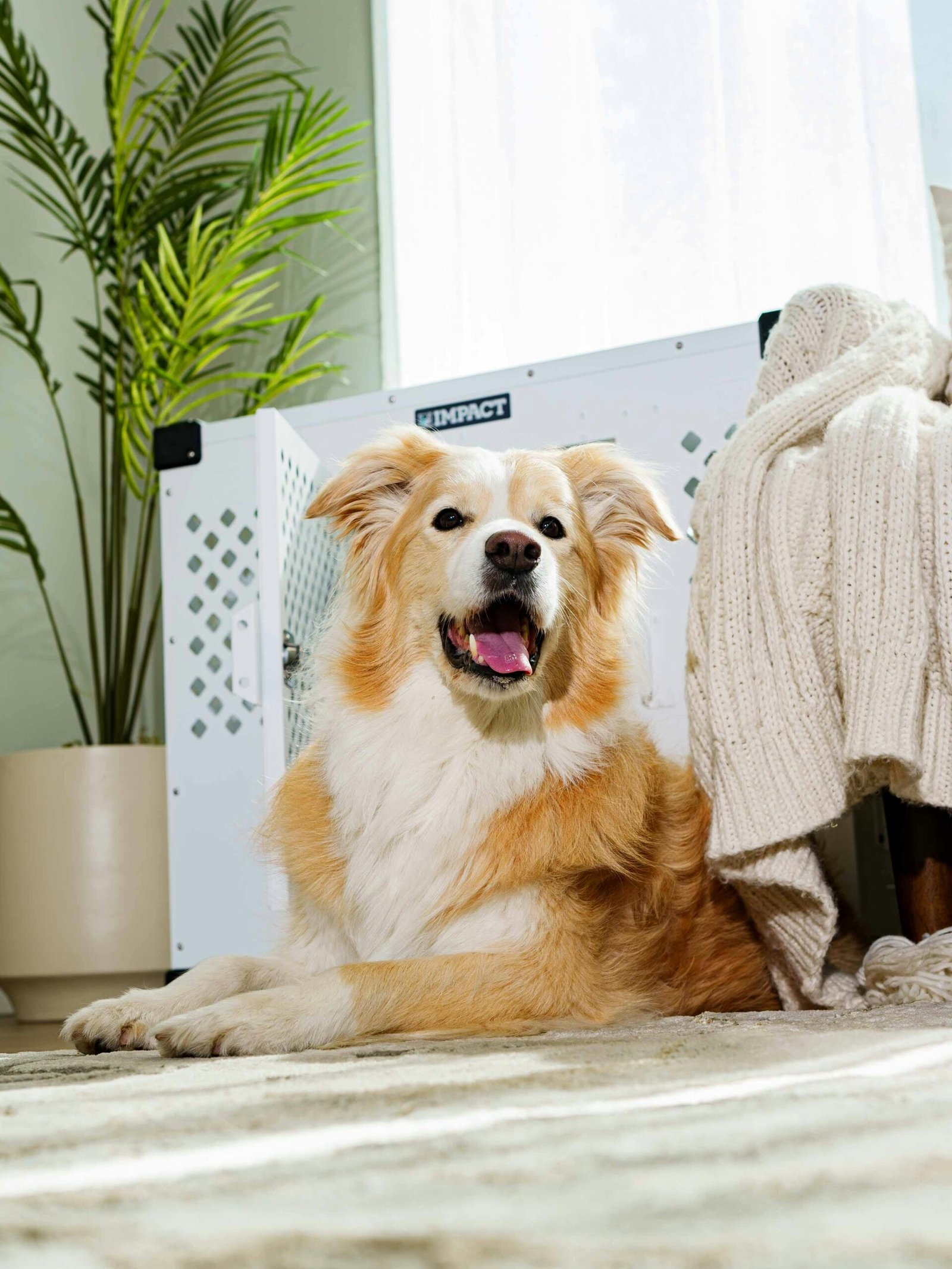
| Crate or safe space | Helps with house training and gives the dog somewhere quiet | $40–$90 |
| Washable bed or blankets | Start cheap; puppies often chew their first bed | $0–$40 |
| Poop bags | Buy in bulk | $8–$15 |
| Enzyme cleaner | Removes the smell that makes dogs re-mark the same spot; ordinary cleaners don’t | $10–$15 |
| Two or three toys | One chew toy, one tug or fetch toy, one food puzzle | $15–$30 |
Realistic day-one total: about $150–$300, much of which you may already have at home.
In the first few weeks
- Vet visit: a health check, vaccinations, worming, flea and tick prevention, and a microchip if the dog doesn’t have one. Ask about neutering timing for puppies. Budget $100–$300 depending on where you live and what is included.
- Training treats: small, soft, low-calorie pieces. Break larger treats up; the reward is the moment, not the size.
- Grooming basics: a brush suited to the coat type, dog nail clippers or a grinder, and a dog shampoo. Short-coated dogs need very little.
- A puppy class or trainer session: often the best value purchase of all, because it prevents expensive behavior problems later.
- Pet insurance quotes: compare at least three providers before the dog has any recorded condition, because pre-existing conditions are usually excluded.
What you can safely skip (at least at first)
- Retractable leashes. They teach dogs to pull, give you little control near roads, and the thin cord can cause injuries.
- Expensive orthopaedic beds for puppies. Wait until chewing stops and you know how your dog likes to sleep.
- Clothes and boots for most breeds. Exceptions: small, thin-coated or elderly dogs in cold weather, and boots for hot pavements or icy, salted roads.
- Automatic feeders and water fountains. Nice to have, not needed.
- Large bags of new food. Buy small until you know the dog does well on it.
- A pile of toys. Rotate three or four; dogs get bored of toys that are always out.
Puppy vs adult rescue: what changes
Puppies need a crate or playpen, puppy-specific food, chew toys for teething, lots of enzyme cleaner and frequent toilet trips (roughly every 1–2 hours while awake at first). Puppy-proof the house: lift cables, shoes, cleaning products and anything at nose height.
Adult rescues usually need less equipment, but more patience. Many need a few weeks to settle. Keep things quiet, stick to a routine, and use a secure harness on walks for the first weeks, since a nervous new dog is more likely to slip a collar and bolt.
Dog-proofing checklist
- Secure bins and keep food off counters (grapes, raisins, chocolate, onions, xylitol and cooked bones are dangerous for dogs).
- Check fences and gates for gaps; small dogs fit through surprisingly small holes.
- Move houseplants out of reach until you have checked which are toxic.
- Put medicines, batteries and cleaning products in closed cupboards.
- Agree house rules with everyone at home: where the dog sleeps, sofa or no sofa, who feeds and walks.
Monthly running costs
| Cost | Small dog | Large dog |
|---|---|---|
| Food | $25–$50 | $60–$120 |
| Flea, tick and worming | $15–$30 | $20–$40 |
| Insurance | $20–$50 | $35–$80 |
| Treats, toys, poop bags | $10–$20 | $15–$30 |
Set aside a small emergency fund as well; even insured owners usually pay an excess on claims.
A simple first-week routine
Equipment matters less than routine. Dogs settle fastest when the day is predictable, so plan the first week before the dog arrives.
- Toilet trips at fixed times: first thing in the morning, after every meal, after naps and play, and last thing at night. Take the dog to the same spot and reward calmly the moment it goes. Puppies need extra trips every one to two hours while awake.
- Meals at the same times each day, measured with a cup or scale rather than guessed. Most adult dogs do well on two meals; young puppies usually need three or four.
- Short, calm walks on quiet routes for the first few days, instead of busy parks. Let the dog sniff; it is how dogs learn a new area and it tires them out more than you would expect.
- Two or three five-minute training sessions a day: the dog’s name, sit, and coming when called, using small treats.
- Planned alone time. Leave the dog for a few minutes at a time from day one, building up gradually, so being alone is normal rather than a shock on your first day back at work.
- A fixed bedtime and sleeping place. Decide on the crate, a bed in the bedroom or a bed downstairs before night one, and stick to it.
Keep visitors to a minimum for the first few days. A new dog meeting the whole family, the neighbours and their children in one afternoon is a common cause of early nipping and hiding.
Signs you should call the vet
New dogs are often stressed, and a slightly upset stomach in the first days is common. Call your vet promptly if you see repeated vomiting, diarrhea lasting more than a day or containing blood, refusing food for more than 24 hours (sooner for small puppies), lethargy, coughing, or any sign of pain. Puppies especially can become dehydrated quickly.
FAQ
Collar or harness?
Both, usually: a collar to carry the ID tag, and a well-fitted harness for walks, especially for dogs that pull or have breathing issues.
What size crate do I need?
Big enough for the dog to stand up, turn around and lie stretched out. For a growing puppy, buy a crate for the adult size with a divider panel.
Is grain-free food better?
Not automatically. Choose a complete food that meets recognized nutritional standards for your dog’s life stage, and ask your vet if you are unsure.
For specific product picks, see our best pet products for dogs, scored using our review method. Shedding breed? Our air purifiers for pets guide explains what actually helps with dander.
[…] to dog ownership? Our new dog owner checklist covers grooming and cleaning basics, and our best pet products for dogs lists the tools we […]